Trail
Life & Nature
Animals, plants, cells and the living planet
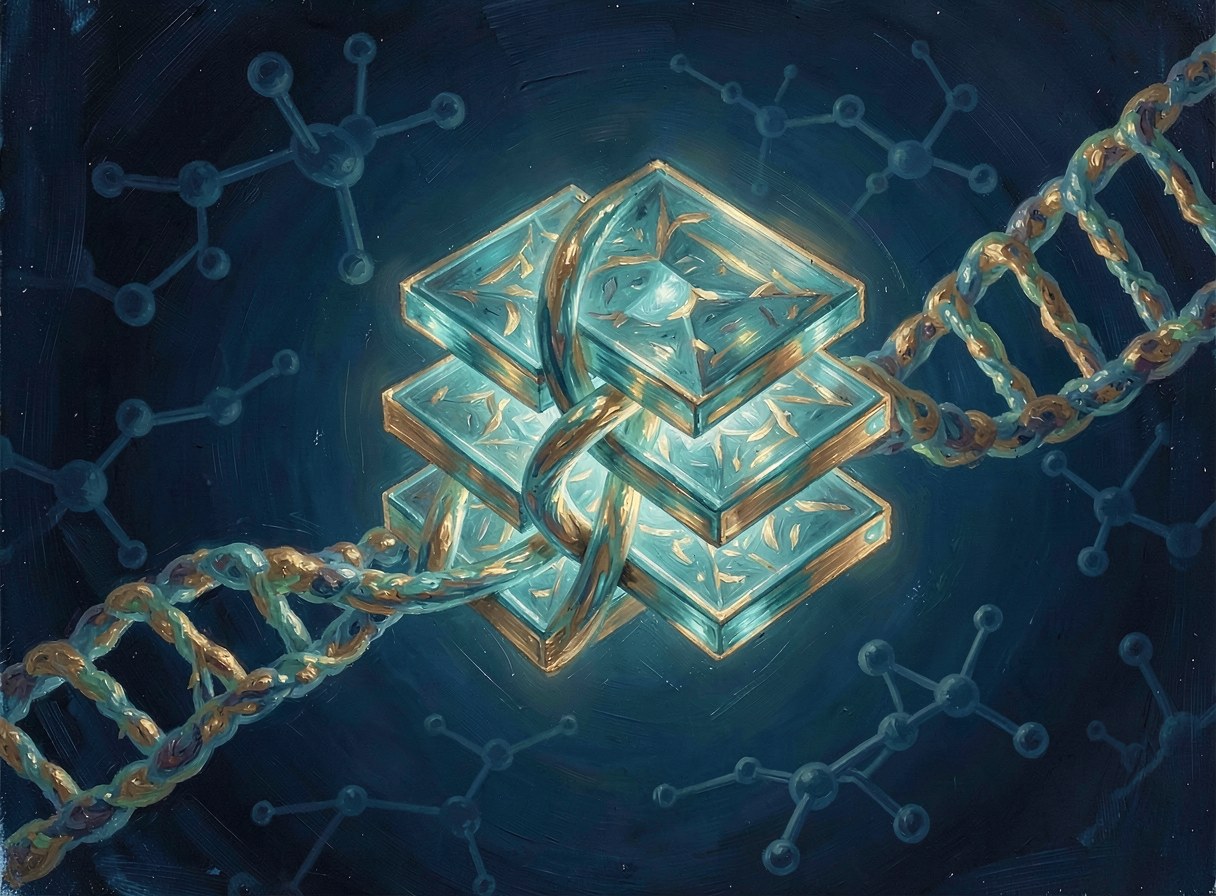
The Shape-Shifting Code: How a Single DNA Sequence Folds into a Family of Structures
A single G-rich stretch of DNA can fold into several different four-stranded shapes, depending on its chemical surroundings. That shape-shifting matters for gene regulation, and it keeps tripping up the…
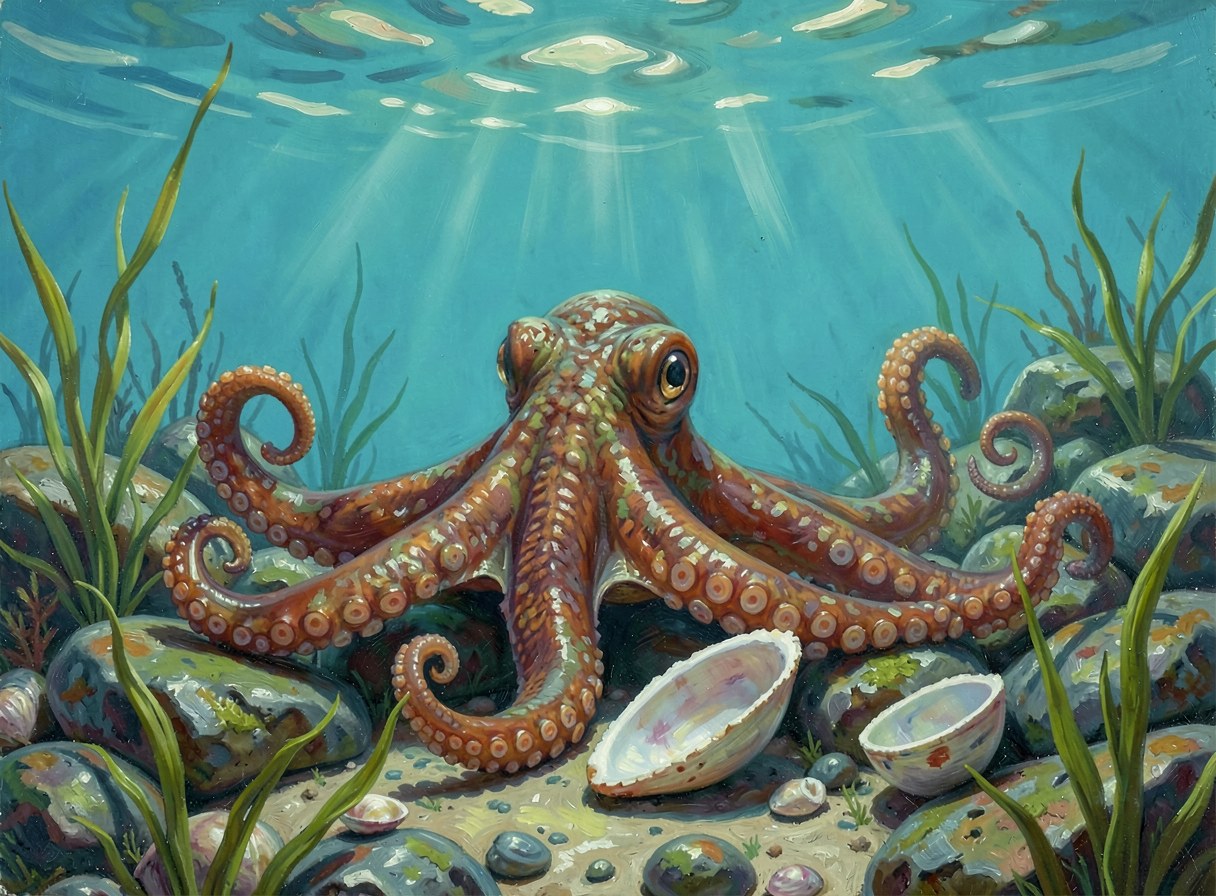
The Three-Hearted Marvel: How Octopuses Run on Blue Blood and Boundless Ingenuity
Octopuses run on three hearts and blue, copper-based blood, and one of those hearts stops beating whenever they swim. It is an odd design that turns out to solve the…
The Eight-Legged Guardian Hiding in a Blade of Grass
Barely half a millimetre long, the tardigrade can shrug off extreme cold, crushing pressure and lethal radiation, then revive with a few drops of water. One of its proteins has…

Why Do Cats Purr? The Surprising Science Behind Your Cat’s Most Mysterious Sound
A purring cat is not necessarily a happy one. Cats also purr when stressed, frightened or in pain, and scientists still disagree on whether the sound is deliberate or entirely…
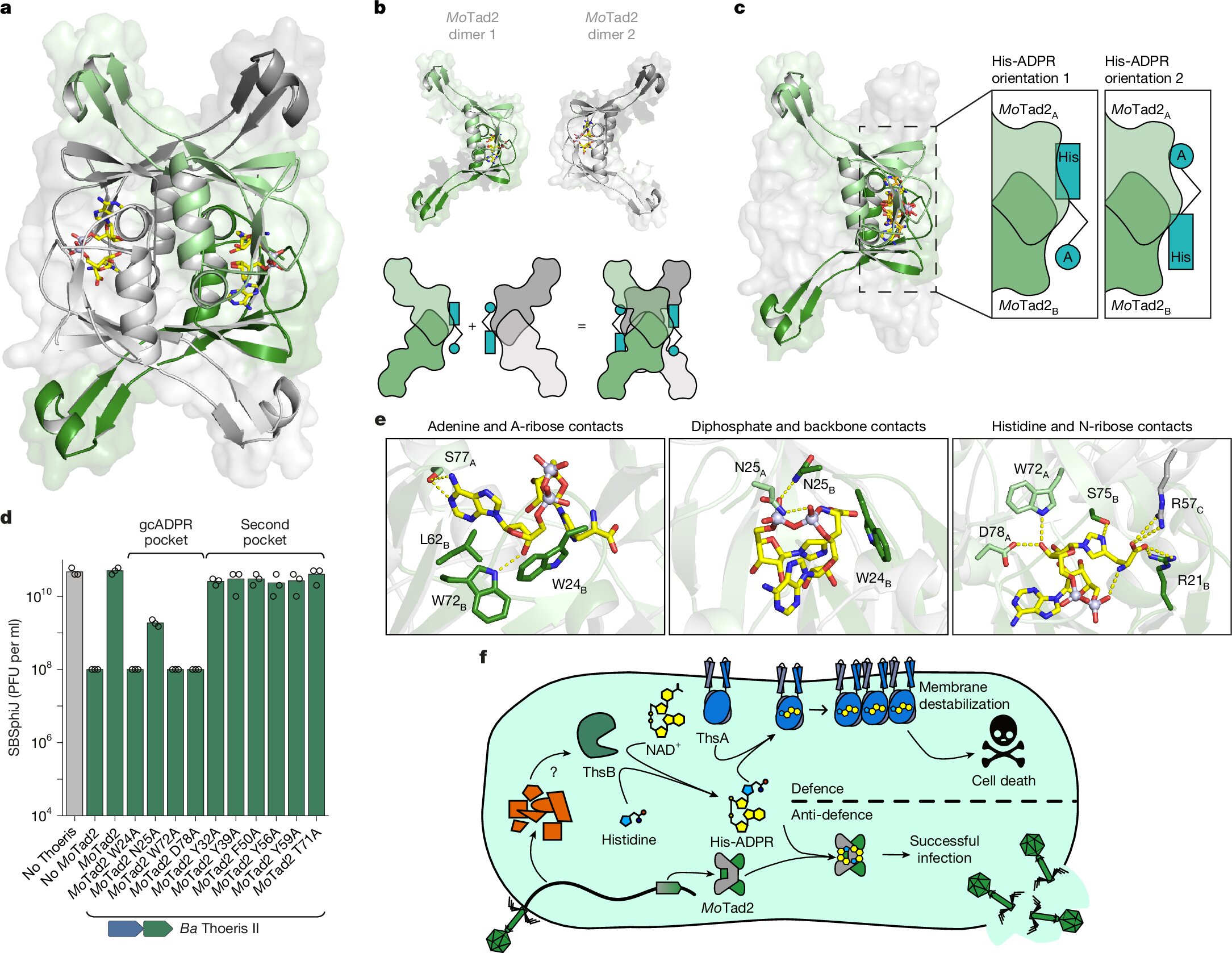
Discovery of histidine-ADP-ribose molecule reveals a new bacterial immune strategy
Bacteria under viral attack send an alarm made of an amino acid fused to ADP-ribose, a kind of signalling molecule never seen before. The discovery widens what we know about…
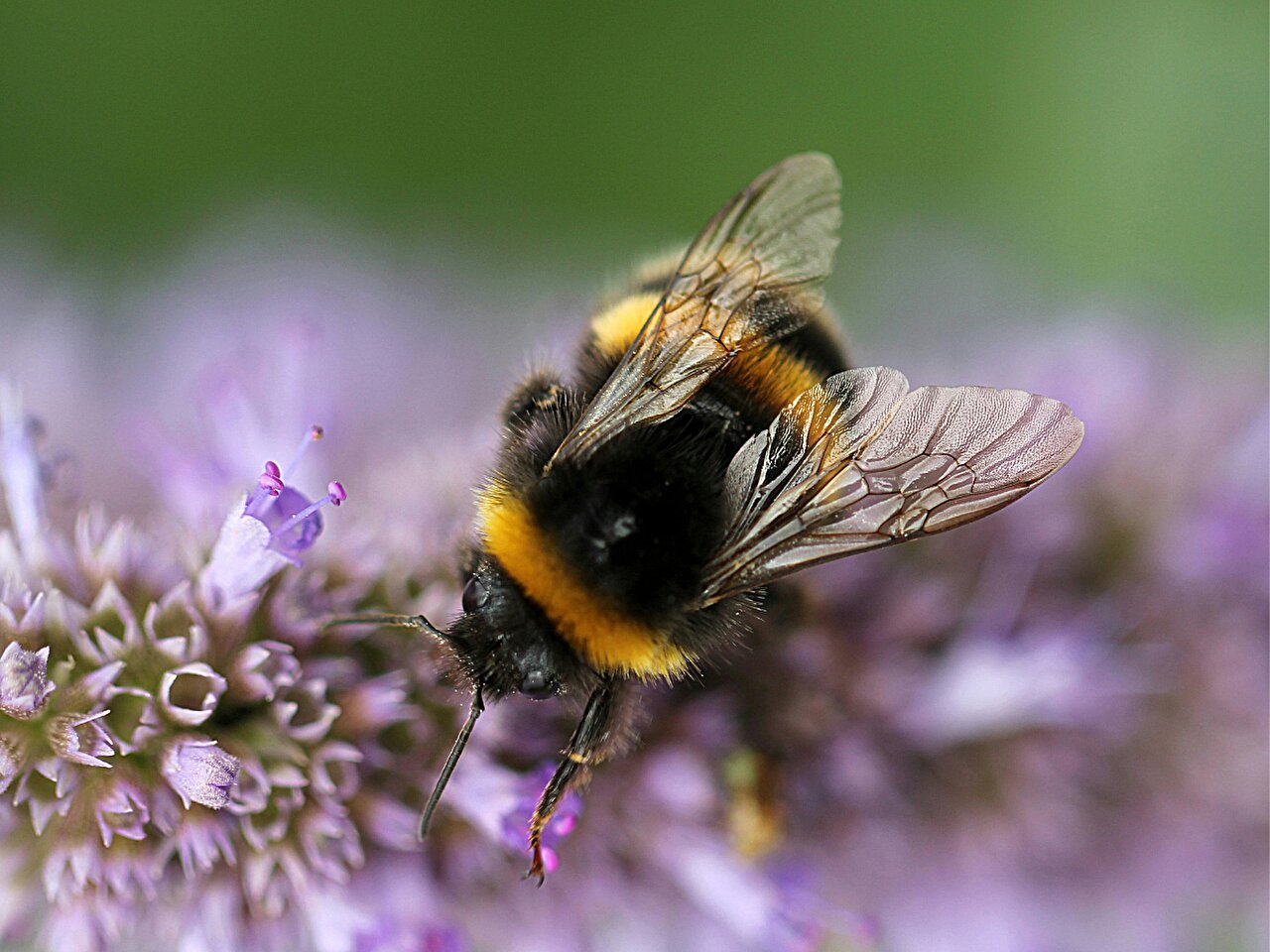
Bumble bee queens show the complex effects of pesticide exposure on pollinator health.
Low doses of a common insecticide helped more bumble bee queens survive their winter dormancy. Researchers warn that this apparent benefit hides long-term harm and could mislead pesticide risk assessments.
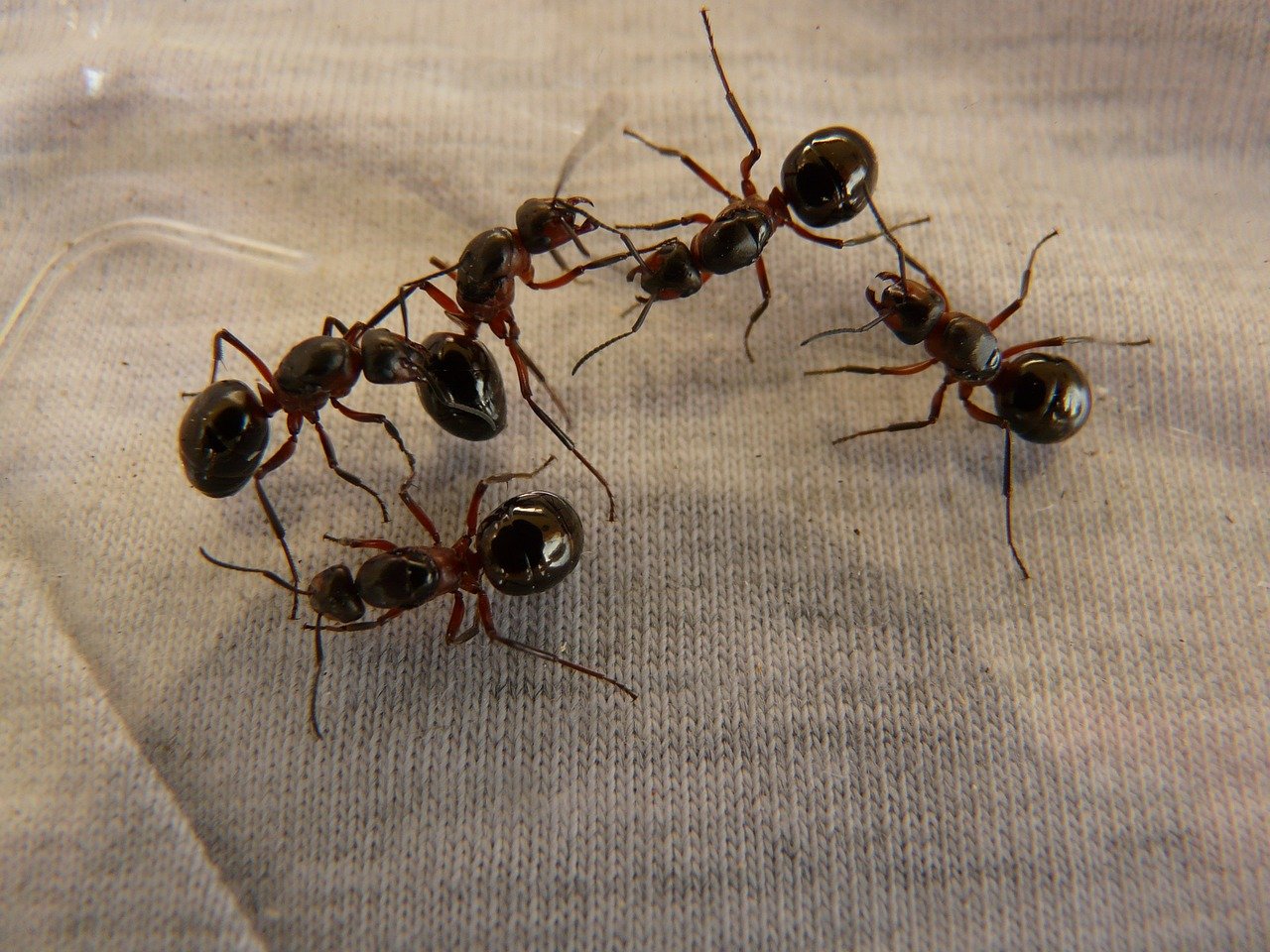
Evolutionary biology: ants can hold a grudge
Ants remember rivals. In experiments at the University of Freiburg, ants turned more aggressive towards nests that had attacked them before, which undermines the idea of insects as pre-programmed robots.
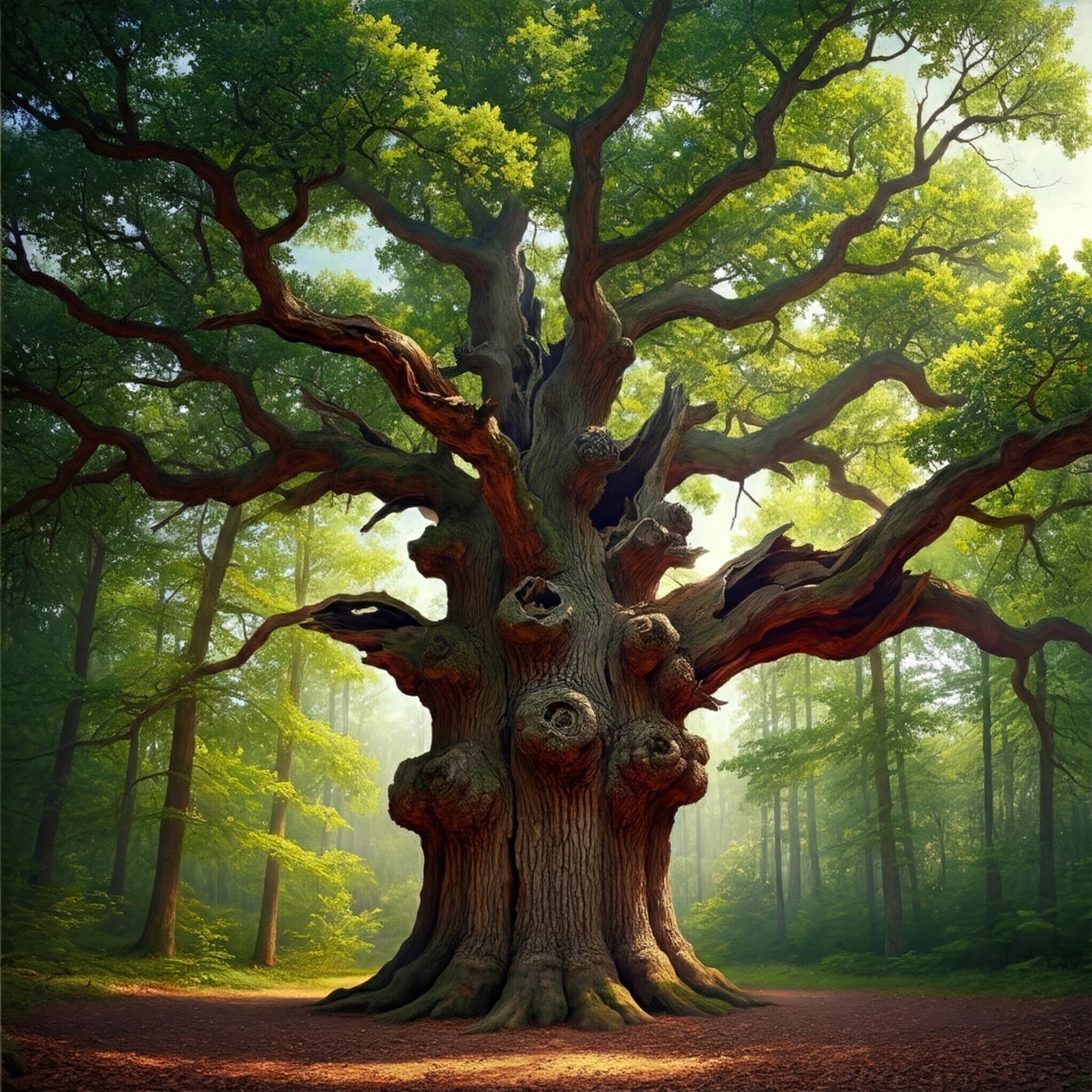
Trees are struggling to “breathe” as the climate warms
In hot, dry climates trees are sending more carbon dioxide back into the air, a study suggests. As the planet warms, forests may absorb less of our emissions than climate…
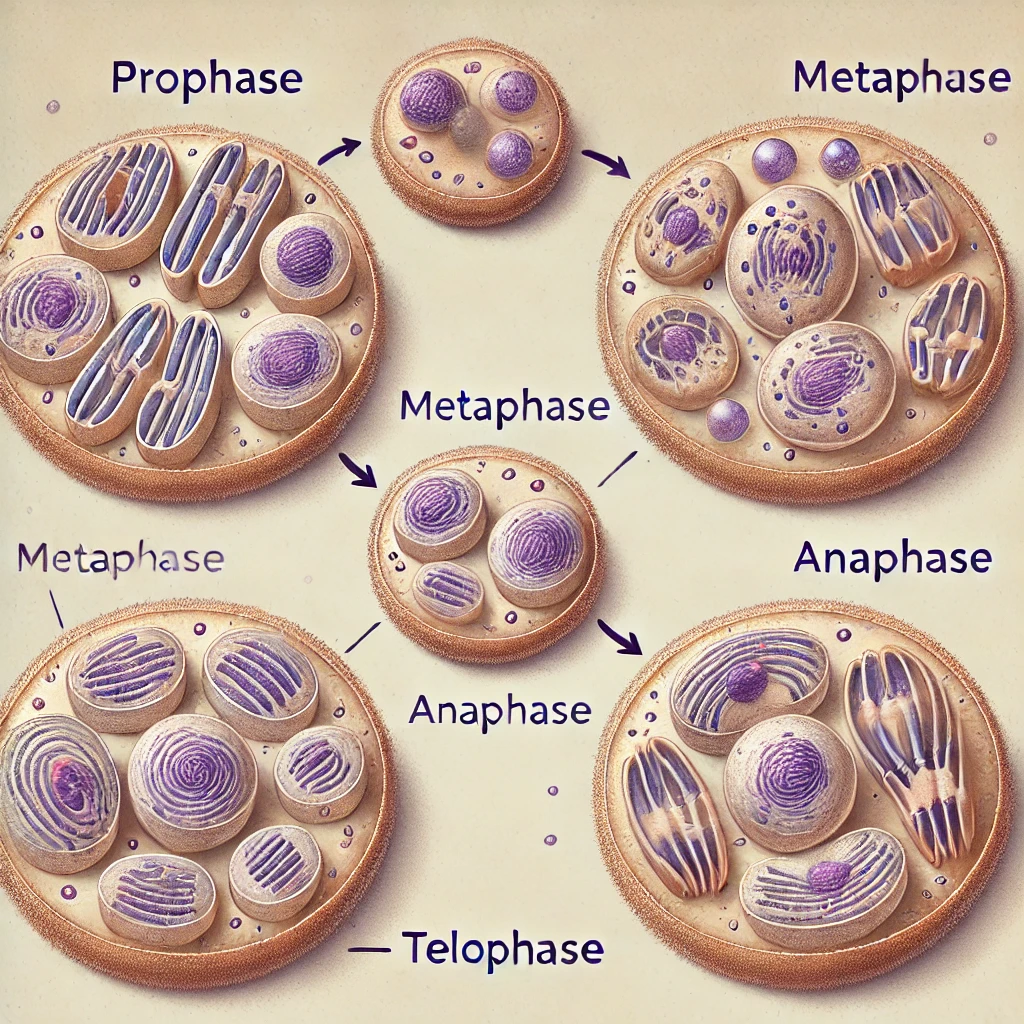
Exploring diversity in cell division (an average human is made of about 30 trillion cells…)
Animal cells take apart the nucleus to divide, while most fungi keep it whole. By studying marine protists related to both groups, scientists have found a link between an organism’s…

The magnificent world of whales: a heritage to preserve
Hunting has cut some whale populations by up to 90 percent, and climate change, pollution and ship strikes add to the toll. Protecting whales means protecting the balance of the…
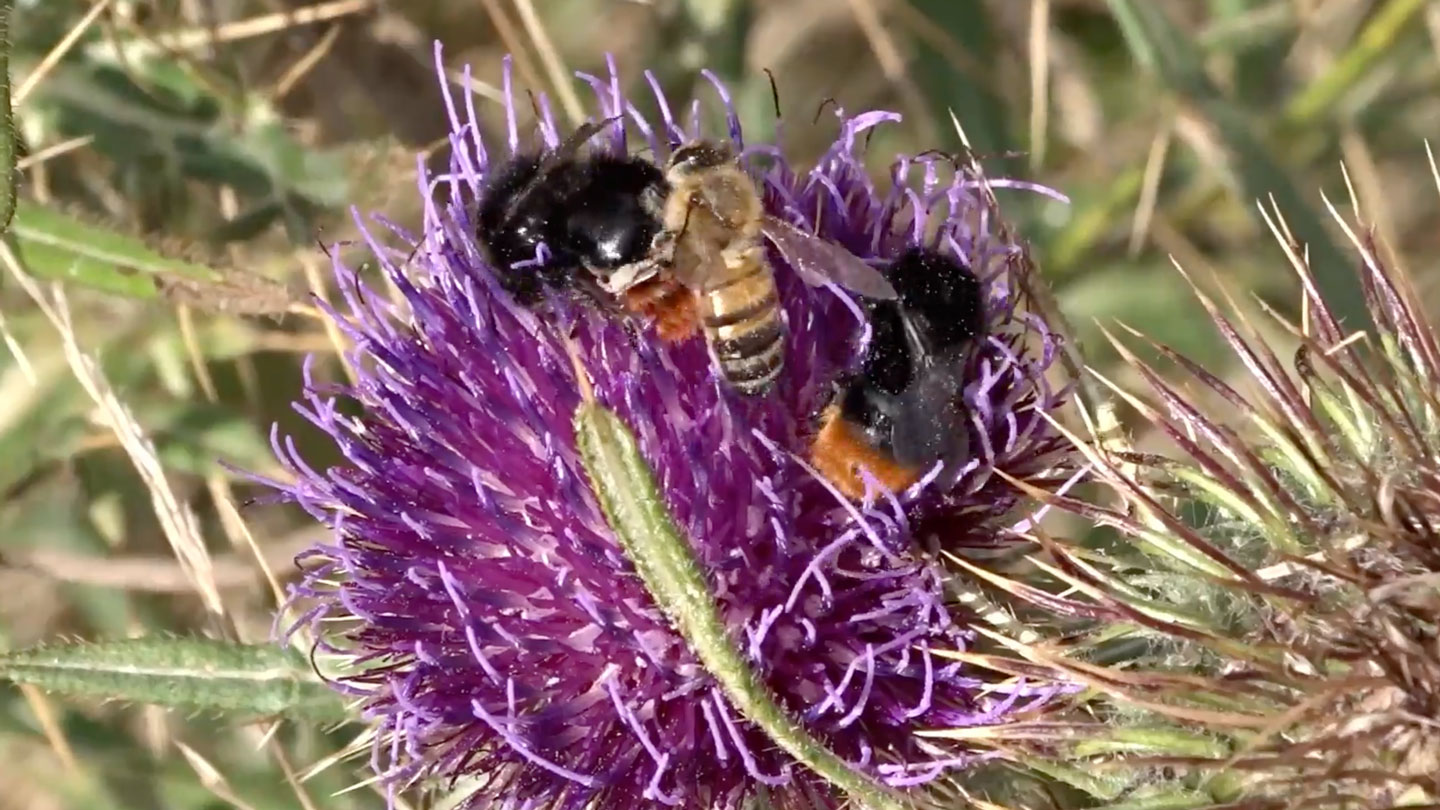
Some Honeybees in Italy Regularly Steal Pollen from Bumblebees’ Backs
On a mountain in Liguria, naturalists filmed honeybees snatching pollen from the hairy backs of bumblebees. The behaviour, first recorded in North America, suggests pollen theft may be happening around…
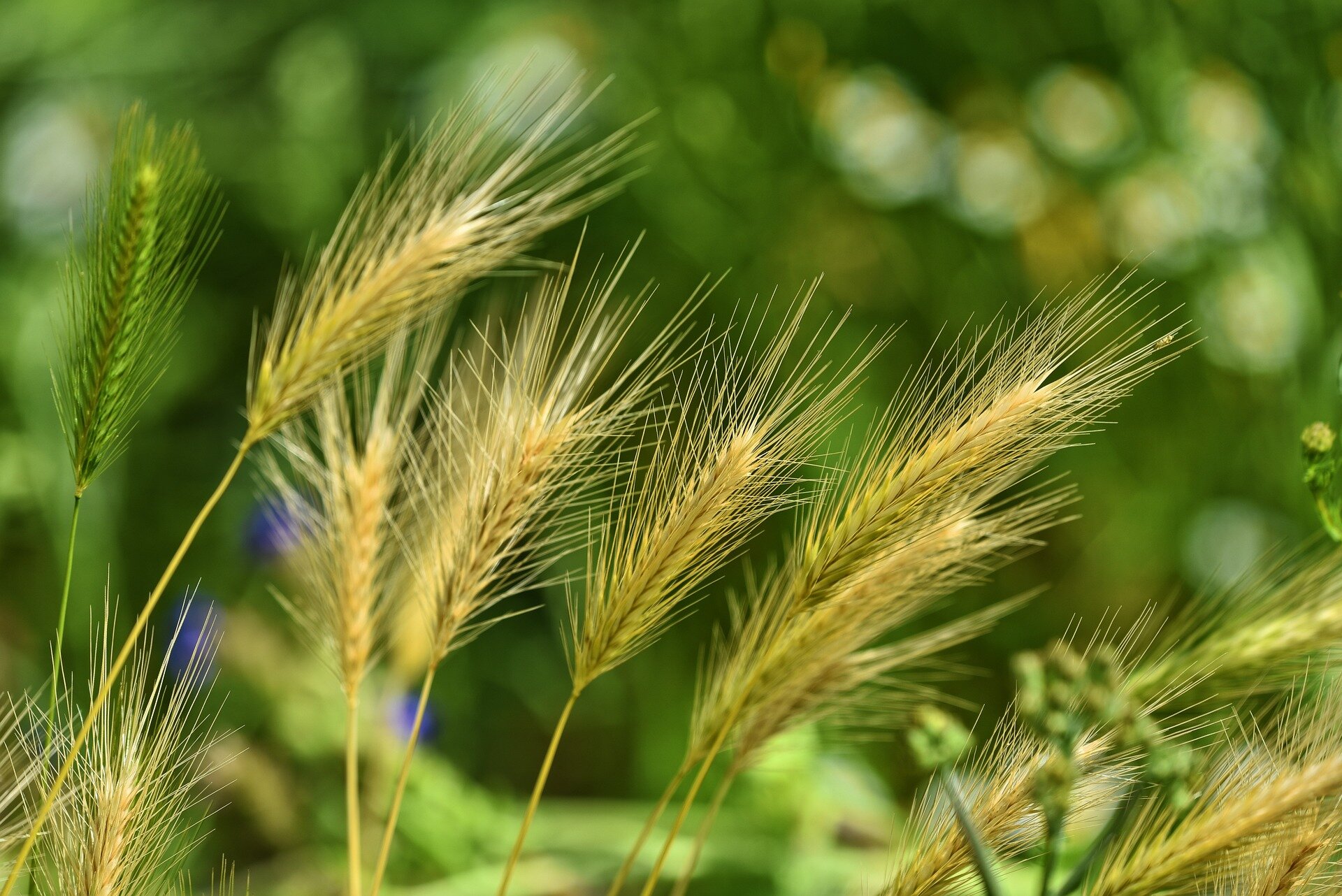
World’s Largest Database of Weeds Lets Scientists Peer into the Past and Future of Global Farming
A database of 928 weed species, compiled over 30 years, lets scientists compare ancient and traditional farming through the plants that grew alongside crops, and what it found challenges ideas…