
Trail
Sky & Space
Stars, galaxies, probes and the cosmos

Webb Telescope Discovers Ancient Galaxies That Challenge Cosmology
The James Webb Space Telescope keeps finding bright, massive galaxies from the universe’s first few hundred million years, apparently too mature for their age. Cosmologists may have to rethink how…
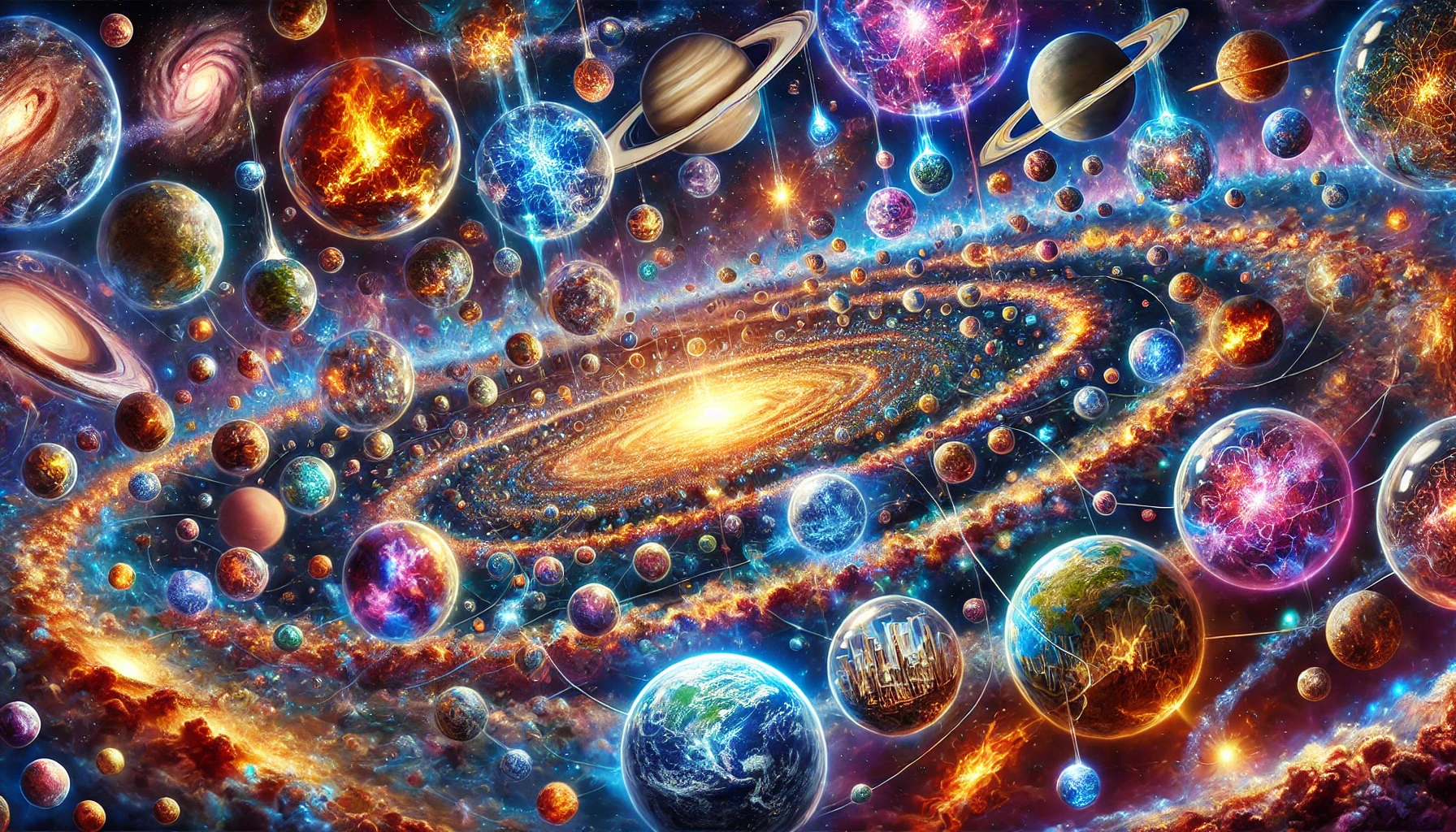
Beyond Reality: Exploring the Intriguing Concept of the Multiverse
Cosmic inflation and quantum theory both hint that our universe might be one of many. What would a multiverse mean, and how does it differ from the digital metaverse everyone…
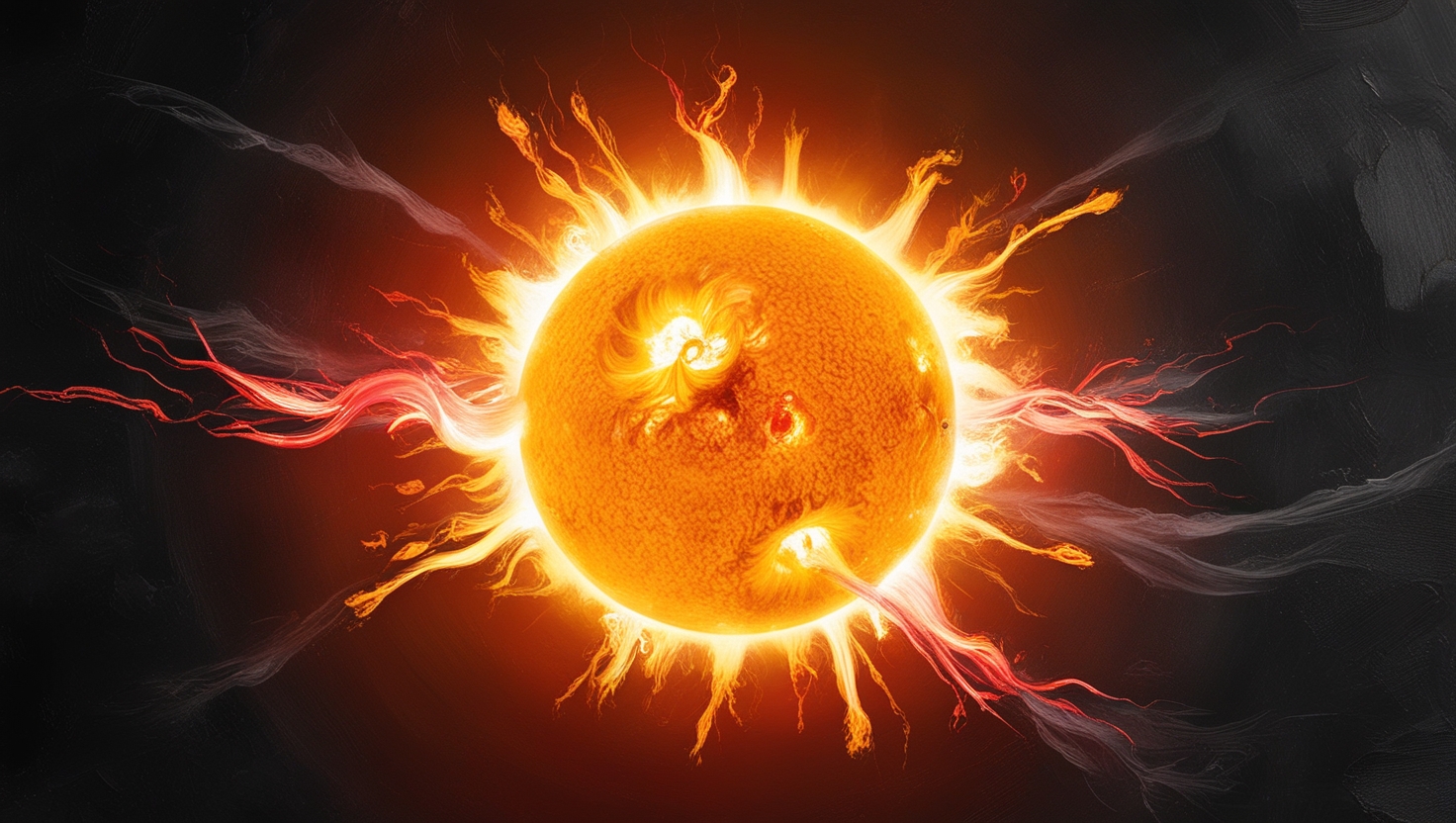
“Touching” the Sun – The Parker Solar Probe Mission
On December 24, 2024, NASA’s Parker Solar Probe passed within 3.8 million miles of the Sun at 430,000 miles per hour. Its heat shield made that approach possible, and the…
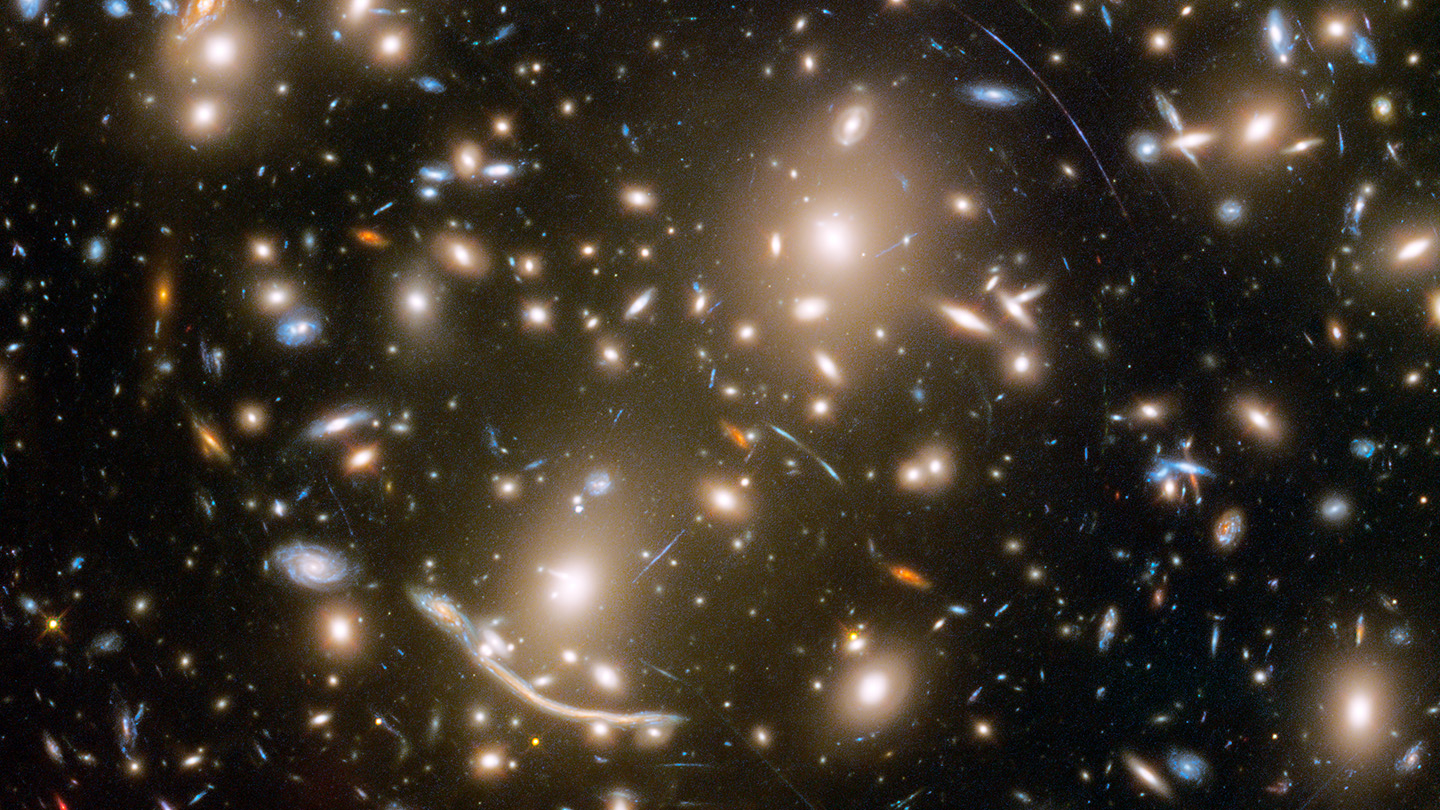
Strange observations of galaxies challenge dark matter theories
Gravitational lensing around some 130,000 galaxies suggests their gravity reaches much farther out than the standard dark matter picture allows. One possible conclusion is that dark matter may not exist…
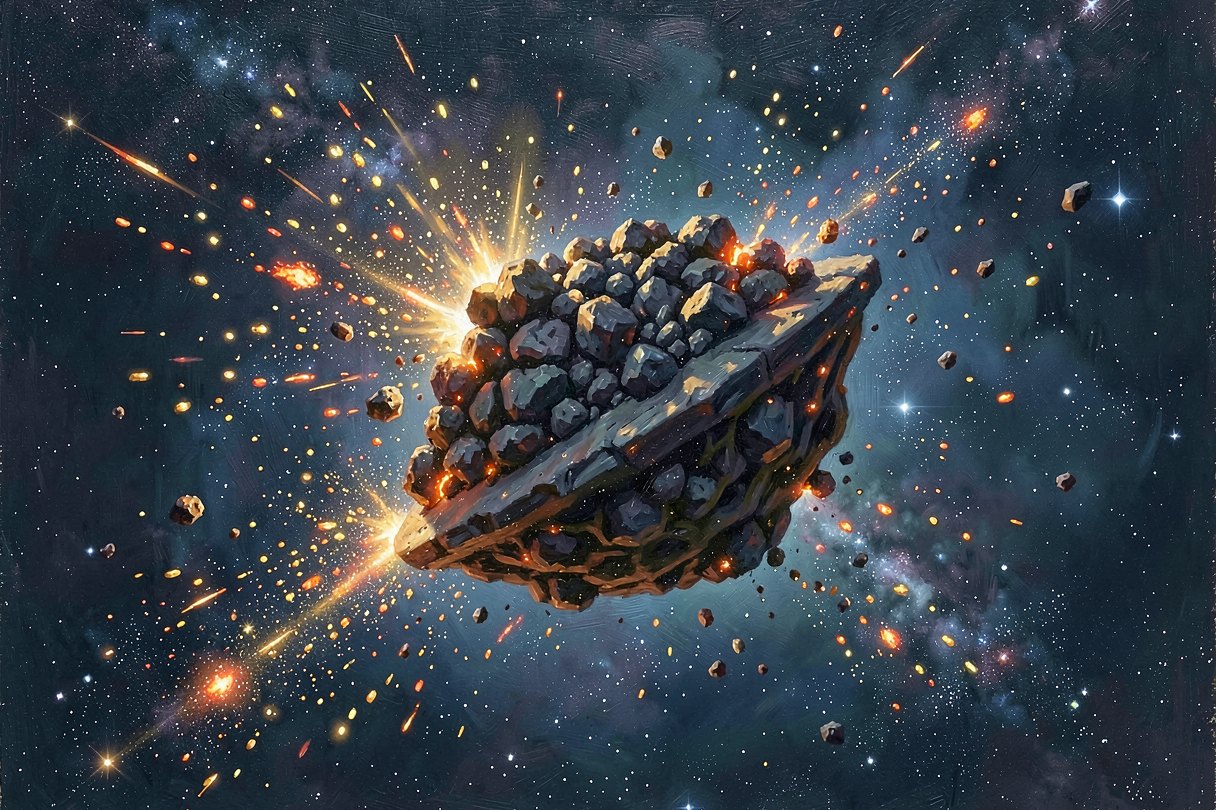
Records of Cometary Dust That Struck the Asteroid Ryugu
Samples of the asteroid Ryugu carry tiny glassy splashes left by impacts of cometary dust. Researchers suggest they show that organic matter from the outer solar system reached Earth’s neighbourhood.
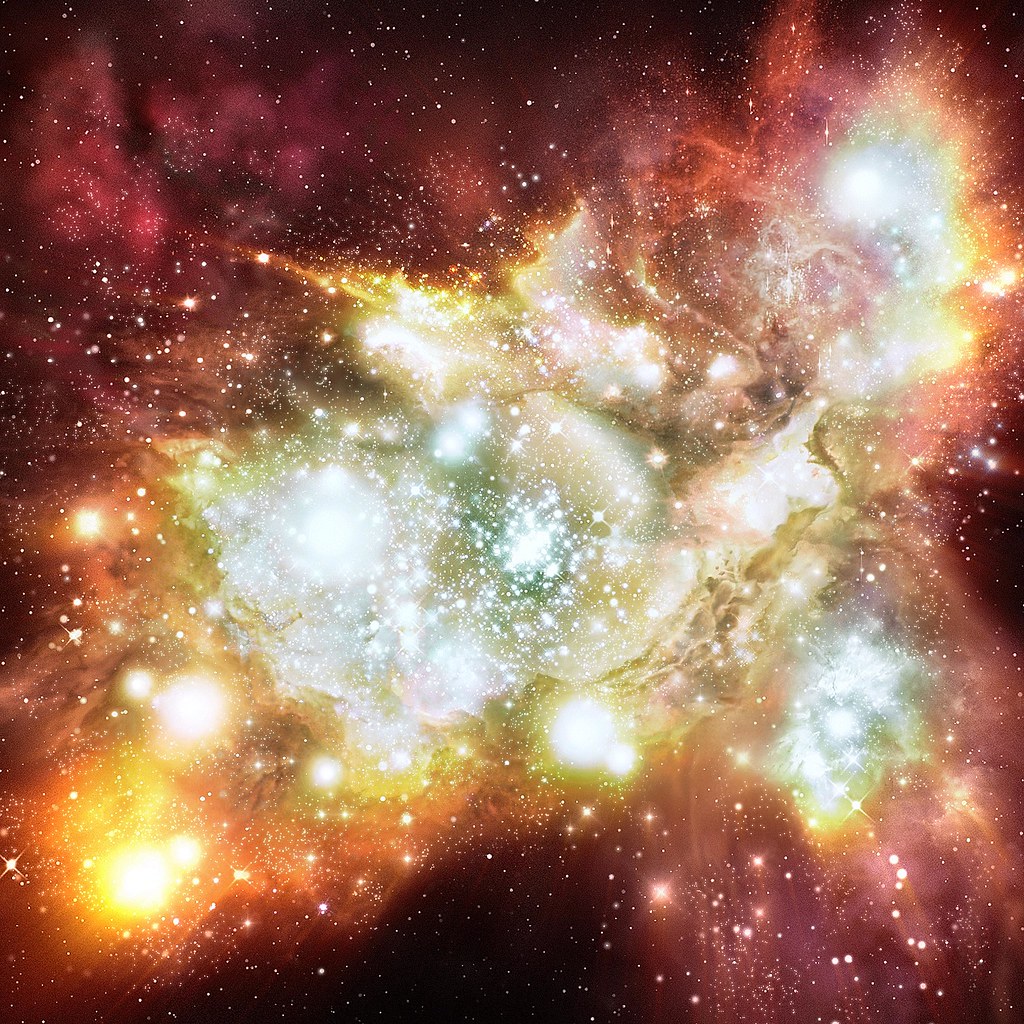
We live on a planet among 100,000 galaxies (and this isn’t a typo either…)
Our galaxy belongs to a vast supercluster that, according to this short piece, spans about 500 million light-years and holds some 100,000 galaxies. A quick look at our place in…
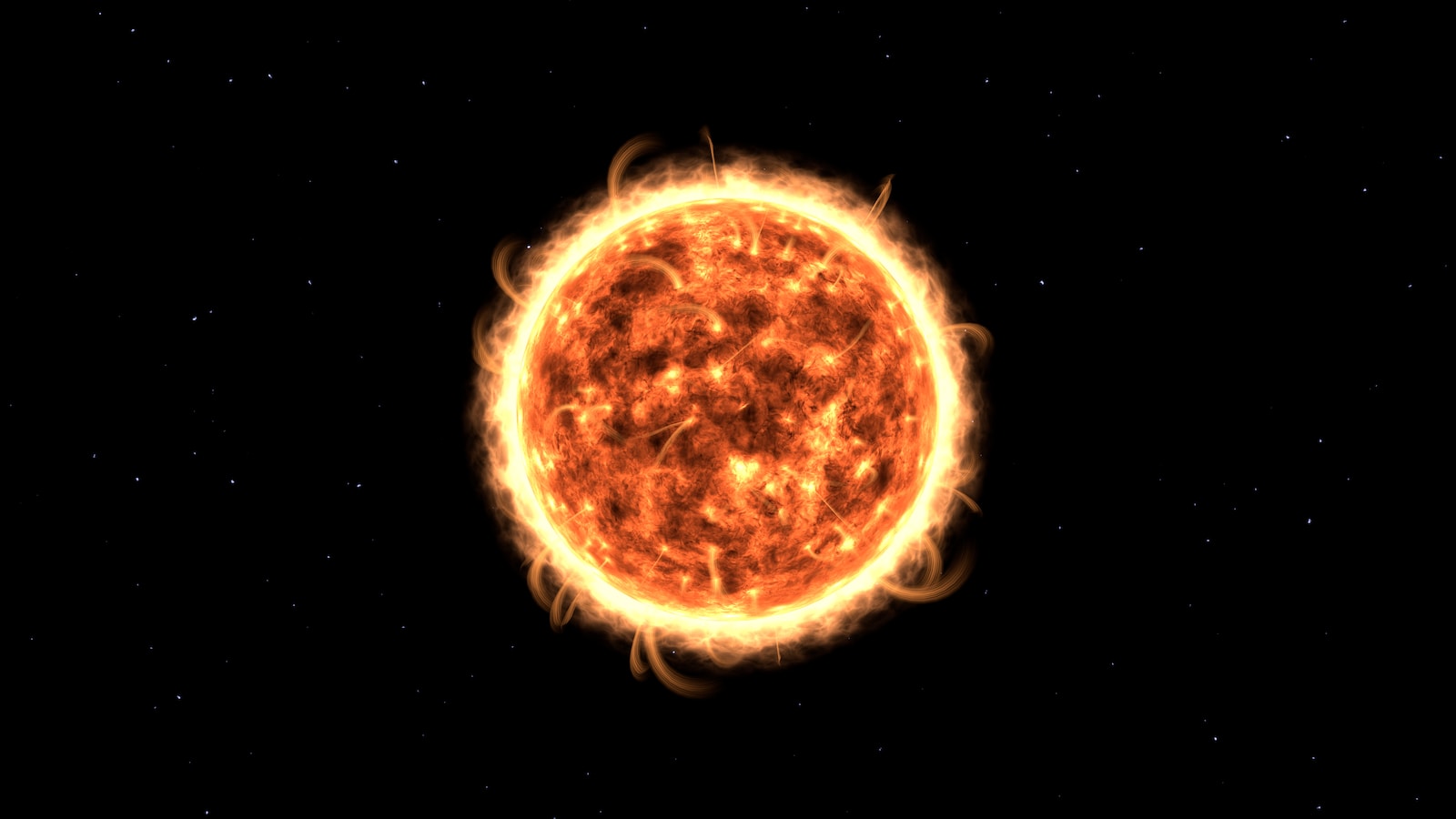
635,000 km per hour (no, that’s not a typo…) – a NASA probe races toward the Sun
Launched in 2018 and shielded by 11 centimetres of carbon, NASA’s Parker Solar Probe has hit 635,000 km per hour on its way to the Sun, gathering data on the…
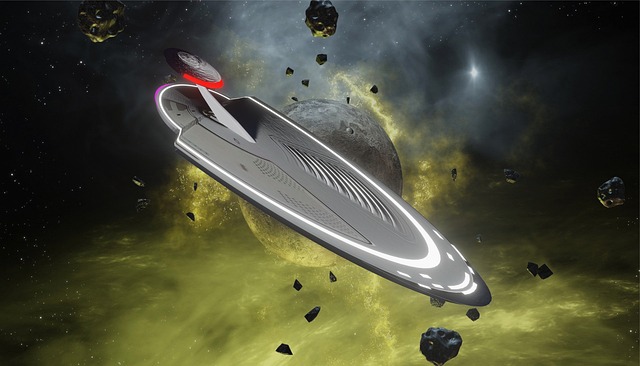
Wandering around the solar system. When? How?
Nuclear propulsion, solar sails, gravity-assisted transfer routes: humanity has barely left Earth’s neighbourhood, but several ideas could one day carry us across the solar system. How might it work, and…
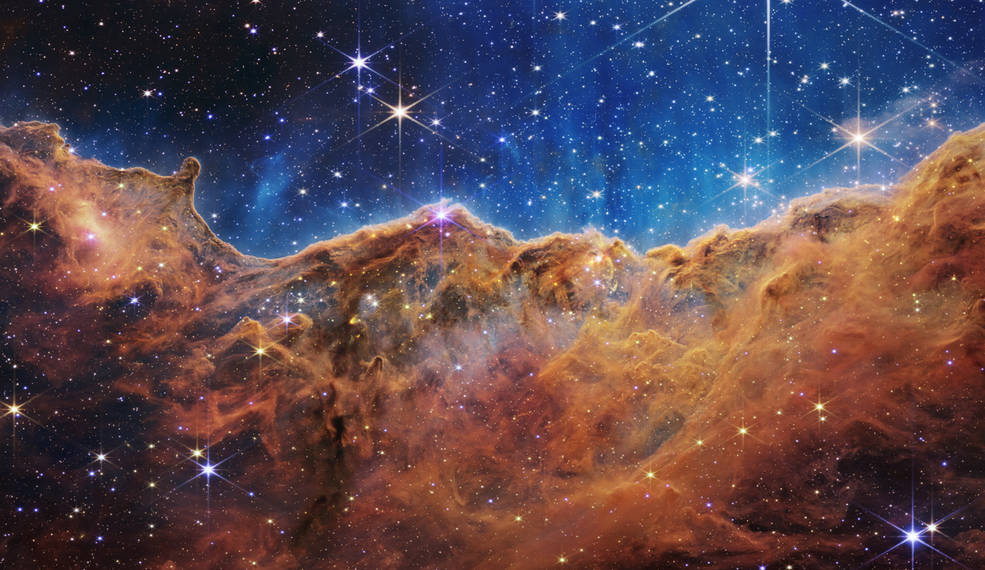
Hey Dad, so are the stars way, way out there…?
Are the stars really far away? The James Webb Space Telescope has seen light that travelled 13 billion years, and its first images invite us to feel small and full…
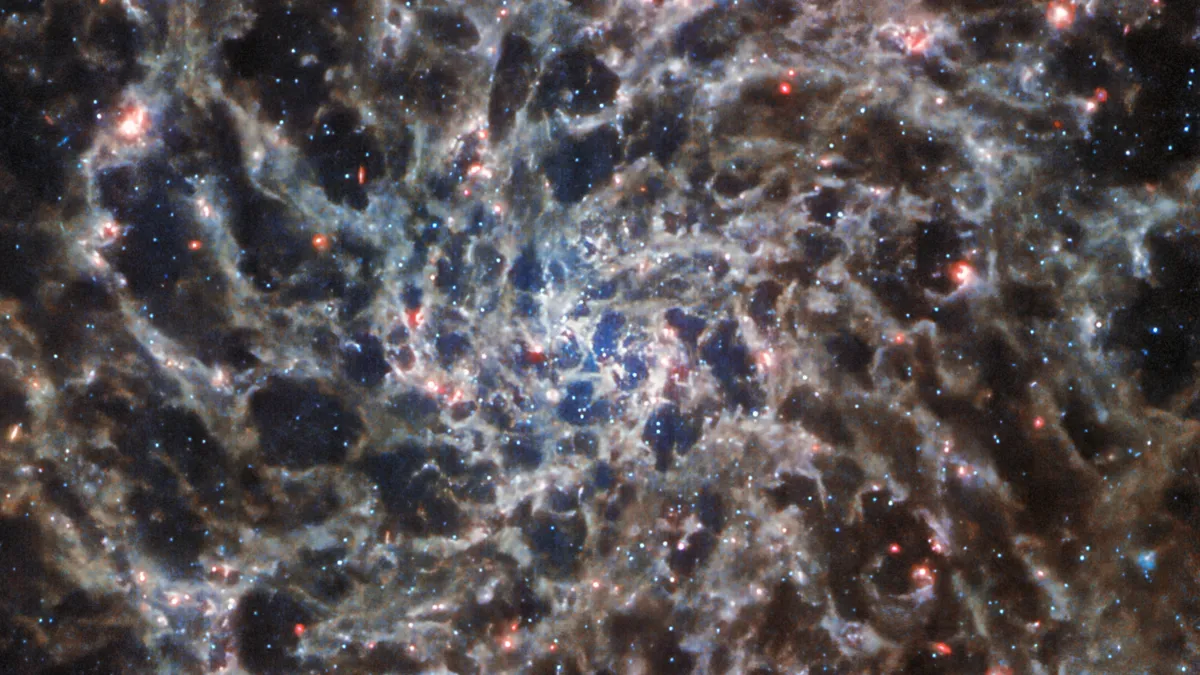
The ‘bones’ of a galaxy!
Seen face-on from more than 29 million light-years away, the spiral galaxy IC 5332 looks like a skeletal whirlpool in a new James Webb image, whose mid-infrared eye sees straight…
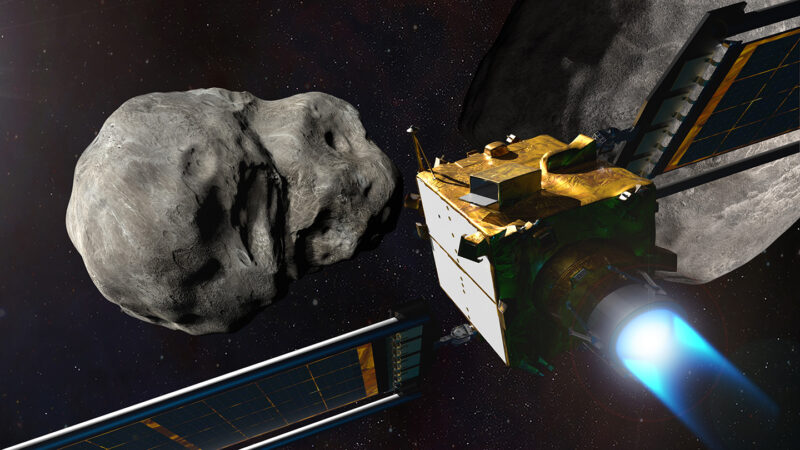
Crashing into an asteroid!
NASA deliberately crashed its DART spacecraft into the asteroid moonlet Dimorphos, cutting 32 minutes from its orbit around Didymos. It was the first real test of deflecting a space rock…