
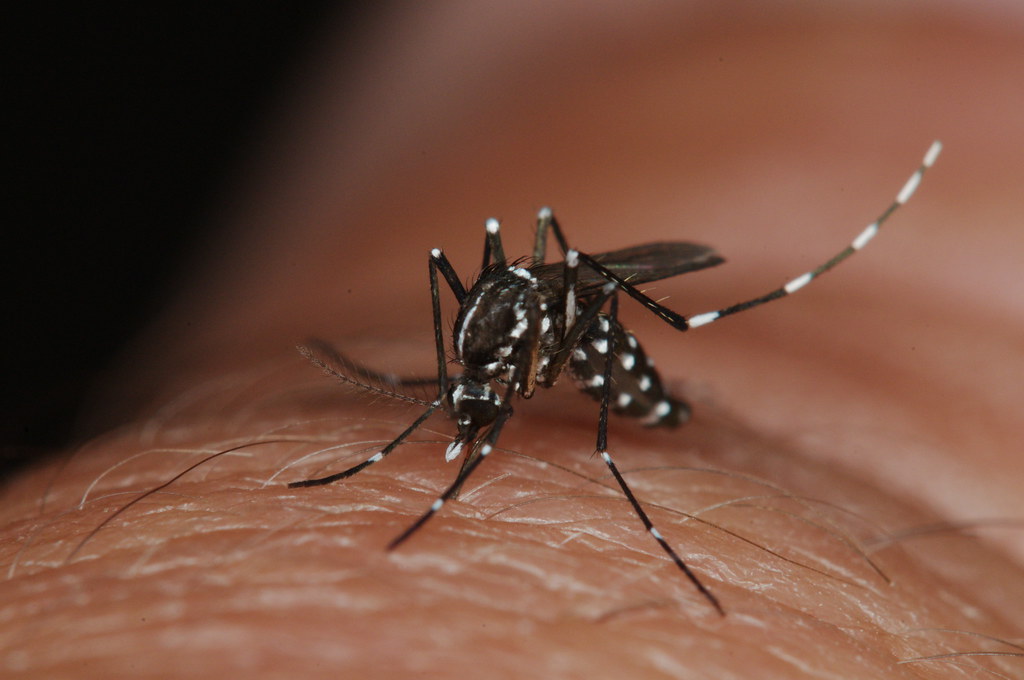
Are you aware that dengue has become a global health emergency? Around the world, millions of people are affected by this disease, which is spreading rapidly due to climate change and changes in the habitats of mosquitoes. Italy is not immune to this emergency, but it is taking measures to counter the spread of dengue in the country.
Key takeaways:
- Dengue is a global health emergency affecting millions of people around the world
- Climate change and changes in the habitats of mosquitoes are contributing to the rapid spread of the disease
- Italy is taking measures to counter dengue through surveillance and control of mosquitoes
- Educating the public about the importance of prevention is essential to fight the spread of dengue
- Scientific research has found a vaccine (read here) and is working to develop other vaccines and new treatments for dengue
What is dengue
Dengue is an acute viral disease caused by a virus belonging to the Flavivirus family. It is transmitted mainly by mosquitoes of the genus Aedes, in particular Aedes aegypti and Aedes albopictus. These mosquitoes are also known as “tiger mosquitoes” and are very common in some parts of the world, including Italy.
The dengue virus is transmitted to people through the bites of infected mosquitoes. There is no direct transmission from person to person. Mosquitoes become infected by biting a person with the dengue virus in their blood and then pass the virus on to a healthy person through another bite.
Dengue can present with symptoms similar to those of flu, such as high fever, headache, muscle and joint pain, skin rash and general fatigue. In some cases, it can cause more serious complications, such as dengue hemorrhagic fever , which can lead to bleeding, organ damage and even death.
It is important to stress that there is no specific treatment for dengue and only the symptoms can be relieved. Therefore, preventing bites from infected mosquitoes is essential to avoid infection.
| Characteristics of dengue | Symptoms |
|---|---|
| Virus | – Dengue virus |
| Mode of transmission | – Transmitted mainly by mosquitoes of the genus Aedes |
| Common symptoms | – High fever – Headache – Muscle and joint pain – Skin rash – General fatigue |
| Severe symptoms | – Dengue hemorrhagic fever – Bleeding – Organ damage |
The spread of dengue around the world
Dengue infection is a serious problem in many countries around the world. According to statistics, the most affected countries are mainly those with a tropical and subtropical climate, where the Aedes aegypti and Aedes albopictus mosquitoes, responsible for the transmission of the virus, find ideal conditions to proliferate.
The most affected regions are South Asia, Latin America and the Caribbean, sub-Saharan Africa and the Western Pacific. Among the most affected countries are Brazil, India, the Philippines, Indonesia, Vietnam and Thailand. These countries face significant challenges in containing the spread of dengue due to population density, environmental conditions favorable to mosquito breeding and limited access to health services.
According to the World Health Organization, it is estimated that there are about 100-400 million dengue infections worldwide every year, with about 40,000 deaths, most of them among children. These statistics highlight the urgency of adopting effective measures for control and prevention to counter the spread of dengue.
| Regions | Most affected countries | Statistics |
|---|---|---|
| South Asia | India | 24% of dengue cases worldwide* |
| Latin America and the Caribbean | Brazil, Mexico, Colombia | 75% of dengue cases in the Americas* |
| Sub-Saharan Africa | Nigeria, Burkina Faso, Côte d’Ivoire | High incidence, variable data due to underreporting |
| Western Pacific | Philippines, Indonesia, Vietnam | 15% of dengue cases worldwide* |
Source: World Health Organization
These data highlight the need for a global approach to tackling dengue, with greater attention to the most affected countries. International coordination is essential to share knowledge and best practices, in order to implement effective prevention and control strategies and reduce the impact of dengue on public health.
The dengue situation in Italy
Against the backdrop of the spreading global dengue emergency, Italy too is facing the threat of this viral disease transmitted by mosquitoes. Reported cases of dengue in the country are increasing, requiring careful surveillance and control measures to prevent large-scale spread.
Italy is currently implementing an active surveillance system to identify dengue cases and monitor the presence of the mosquitoes responsible for transmitting the virus. This makes it possible to gather important epidemiological data to understand the spread of the disease and adopt appropriate preventive measures.
Italian health authorities are also promoting awareness and information campaigns to educate the public about the importance of adopting preventive behaviors, using mosquito repellents and eliminating potential mosquito breeding sites in homes and public spaces.
Dengue represents a significant threat to Italian public health. It is essential to continue surveillance efforts and adopt mosquito control measures to prevent the spread of the disease and protect the population.
The dengue situation in Italy requires timely and coordinated action by health authorities, government bodies and the public itself. Only through a collective effort is it possible to effectively counter the spread of the disease and safeguard everyone’s health and well-being.
The role of mosquitoes in dengue transmission
Dengue, a viral disease transmitted mainly by mosquitoes, is one of the major global public health concerns. To fully understand the epidemic and develop effective prevention strategies, it is essential to understand the role of mosquitoes in transmitting the virus.
There are several mosquito species that can transmit dengue, including Aedes aegypti and Aedes albopictus. These mosquitoes are known as vectors of the disease, since they can become infected with the dengue virus when they bite an infected person and then pass it on to other people through their subsequent blood meals.
Female mosquitoes are responsible for transmitting the dengue virus, since they need a source of blood to nourish their eggs. During the blood meal, if the mosquito has previously bitten an infected individual, it can become infected with the virus and carry it in its system. Later, when it bites a healthy person, it can transmit the virus through its saliva into the host’s skin.
Mosquitoes also have specific feeding habits that influence dengue transmission. They usually feed on human blood during the day, preferring to bite in the early morning and late evening. Since people are often outdoors at these times, mosquitoes have more opportunities to bite and transmit the virus.
It is important to note that mosquitoes cannot transmit the dengue virus through direct contact between people or through the air. Transmission occurs only through the bite of an infected mosquito.
| Vector mosquito | Distribution | Feeding habits |
|---|---|---|
| Aedes aegypti | Tropical and subtropical | Prefers to bite during the day |
| Aedes albopictus | Tropical, subtropical and temperate | Prefers to bite during the day but can also be active at dawn and dusk |
Understanding the mosquito species involved in dengue transmission and their feeding habits is essential for developing targeted control and prevention strategies. By reducing mosquito populations, using mosquito nets and applying insecticides, it is possible to limit transmission of the virus and reduce the impact of dengue on public health.
Symptoms and diagnosis of dengue
Dengue is a viral disease that can present with a wide range of symptoms. Typical symptoms of dengue include high fever, headache, muscle and joint pain, skin rash and general malaise. Some people may also experience symptoms such as nausea, vomiting and loss of appetite.
However, in some more severe cases, dengue can develop into a more dangerous form called hemorrhagic fever, which involves complications such as a low blood platelet count, bleeding and damage to internal organs. Symptoms of hemorrhagic fever can include bleeding from the nose or gums, blood in the urine and stools, bruising and severe abdominal pain. In some extreme cases, hemorrhagic fever can be fatal.
The diagnosis of dengue can be made through a number of laboratory methods. Laboratory tests include taking blood samples to test for the presence of the virus or specific antibodies. The main diagnostic tests for dengue include ELISA (Enzyme-Linked Immunosorbent Assay) tests and PCR (Polymerase Chain Reaction) tests.
Prompt diagnosis of dengue is essential to ensure appropriate treatment and prevent complications. It is important to see a doctor if dengue infection is suspected, especially if severe symptoms appear or persist for a long time.
Table: Dengue symptoms and diagnosis
| Symptoms | Diagnosis |
|---|---|
| High fever | Laboratory tests for the presence of the virus or antibodies |
| Headache | ELISA test (Enzyme-Linked Immunosorbent Assay) |
| Muscle and joint pain | PCR test (Polymerase Chain Reaction) |
| Skin rash | |
| Nausea, vomiting and loss of appetite | |
| Bleeding from the nose or gums | |
| Blood in the urine and stools | |
| Bruising and severe abdominal pain |
Preventing dengue
Preventing dengue is a fundamental part of countering the spread of this mosquito-borne viral disease. Combining different strategies can help reduce the risk of infection and protect the population.
Using mosquito nets
Mosquito nets are an effective way to prevent mosquito bites and reduce contact between the insect vectors and people. It is important to fit windows and doors with good-quality mosquito screens to keep mosquitoes out of homes and workplaces.
Applying insecticides
The use of insecticides can help reduce the mosquito population and limit their ability to transmit the dengue virus. It is advisable to apply insecticides in a targeted way, following professionals’ instructions and using products that are safe for the environment and human health.
Educating the public
Education is a fundamental aspect of dengue prevention. Informing the public about prevention measures, such as eliminating places where stagnant water collects and using mosquito repellents, can help reduce the risk of virus transmission. It is important to involve all sectors of society, including health professionals, teachers and the media, to spread accurate information and promote safe behaviors.
Using mosquito nets, applying insecticides and educating the public are three key strategies for preventing dengue. Combining these measures can help reduce the risk of virus transmission and protect people’s health.
Treatments and care for dengue
As for the treatment of dengue, there is currently no specific cure to eliminate the virus from the body, but several treatment options are available to relieve symptoms and ensure a faster, more comfortable recovery.
Treatment of dengue is mainly symptomatic and supportive, since the viral infection can lead to symptoms such as high fever, headache, muscle and joint pain, fatigue and skin rash.
In general, during dengue treatment, it is advisable to:
- Rest in bed and stay adequately hydrated to avoid dehydration;
- Take fever-reducing and pain-relieving drugs such as paracetamol to control fever and reduce pain;
- Avoid aspirin-based drugs and NSAIDs (non-steroidal anti-inflammatory drugs), as they can increase the risk of bleeding;
- See a doctor if symptoms get worse or warning signs appear, such as persistent vomiting, severe abdominal pain or abnormal bleeding.
It is important to stress that dengue can take a more severe form, known as dengue hemorrhagic fever, which may require more intensive medical attention and specialized care .
Prevention through mosquito control is essential to reduce the spread of dengue and limit the need for treatment and care. Using mosquito nets and insecticides and taking steps to eliminate mosquito breeding sites are effective strategies for preventing transmission of the disease.
The economic and social impact of dengue
Dengue infection has a considerable economic and social impact on public health. The costs associated with the diagnosis, treatment and management of the disease are significant. In addition, dengue can have a negative impact on the health system, reducing its capacity to provide care to those who need it.
The direct costs of dengue include spending on medical treatment, laboratory tests and palliative care. However, the indirect costs are even more significant. Dengue can lead to high absence from work, reducing employee productivity and causing a loss of income for affected families.
Dengue also has a significant social impact . The infection can cause physical and mental distress, affecting the quality of life of those affected. Dengue epidemics can also lead to a climate of fear and alarm in the community, undermining socialstability.
To address the economic and social impact of dengue, effective public health measures are needed. Adequate investment in mosquito prevention and control, as well as in training health personnel, can help mitigate the negative effects of the disease. It is also essential to promote public awareness of dengue and of preventive measures, in order to reduce the spread of the infection and protect the health and well-being of the community.
Scientific research on dengue
Dengue is the subject of intense scientific research because it is a serious public health problem in many regions of the world. Scientists are making significant progress toward discovering an effective vaccine and new therapeutic approaches to fight this disease.
Scientific research on dengue vaccines has reached important milestones in recent years. Several vaccine candidates have been developed and are currently in clinical trials. These vaccines are designed to stimulate the immune system to produce antibodies against the different serotypes of the dengue virus, providing effective protection against infection.
Scientific research is also focusing on developing new therapeutic approaches for treating dengue. Scientists are studying antiviral drugs and strategies to limit replication of the virus within the body. These advances offer new hope for managing dengue and safeguarding the health of those affected.
Scientific research on dengue is a constantly evolving field and the progress is encouraging. However, it is important to stress that further studies and trials are still needed to validate the efficacy and safety of vaccines and new treatments. Collaboration between scientists, government bodies and international organizations is essential to ensure the continuity of research and to meet the global challenge posed by dengue.
The global challenges in countering dengue
The dengue epidemic is one of the greatest global challenges in the field of public health. Effectively fighting the spread of this disease requires an integrated approach that includes mosquito prevention and control, as well as international collaboration.
Prevention is one of the main pillars in the fight against dengue. It is essential to adopt effective prevention measures to reduce the presence of infected mosquitoes and the risk of virus transmission. This includes using mosquito nets, applying insecticides in at-risk areas and educating the public on how to prevent mosquitoes from proliferating.
Mosquito control is another major challenge in countering dengue. Mosquito control programs must be implemented at local and global level to reduce the presence of vector mosquitoes and break the chain of virus transmission. This requires coordinated action between health authorities, institutions and local communities.
International cooperation is essential to tackle the dengue epidemic effectively. Sharing information, resources and best practices among affected countries is essential to develop more efficient prevention and control strategies. In addition, collaboration among researchers and experts from around the world is crucial to advance the search for new vaccines, cures and therapeutic approaches for dengue.
To overcome the global challenges of countering dengue, a collective commitment at global level is needed. Only through a combination of effective prevention, mosquito control and international cooperation can we hope to reduce the devastating impact of this disease and protect people’s health around the world.
Conclusion
Dengue represents a major global emergency, requiring immediate action at global and local level to counter its spread. Dengue is a viral disease transmitted by mosquitoes, characterized by symptoms such as high fever, muscle pain and skin rashes. It is widespread in many countries, with a significant impact on health and the economy.
In Italy, the dengue situation is being closely monitored through surveillance and mosquito control programs. However, it is important to stress the importance of preventing mosquito breeding and of adopting preventive measures such as using mosquito nets and applying insecticides.
Scientific research is making important progress toward discovering a vaccine against dengue and new therapeutic approaches. However, to counter this disease effectively, integrated action at global level is needed, involving collaboration between governments, international organizations and local communities.
In conclusion, the spread of dengue requires a targeted global and local response. It is essential to adopt preventive measures, strengthen surveillance and invest in scientific research to successfully fight this health emergency. Only through decisive, collaborative action can we hope to reduce the impact of dengue on health and society.
FAQ
Is dengue a deadly disease?
Dengue can be potentially fatal, but most cases resolve without serious complications.
How is dengue transmitted?
Dengue is transmitted through the bite of infected mosquitoes of the genus Aedes.
What are the symptoms of dengue?
Common symptoms of dengue include high fever, severe headache, joint and muscle pain, skin rashes and fatigue.
Is there a vaccine for dengue?
Yes, there are vaccines against dengue, but they are not yet widely available.
How can I protect myself from dengue?
It is advisable to use mosquito nets, wear protective clothing, apply mosquito repellents and reduce areas where stagnant water collects.
What are the treatments for dengue?
There is currently no specific treatment for dengue, but symptoms can be relieved with pain medication and rest.
What is the incidence of dengue in Italy?
The incidence of dengue in Italy has been limited, with isolated cases reported mainly among travelers coming from at-risk countries.
What mosquito control measures are taken in Italy?
In Italy mosquito control measures are taken, including monitoring mosquito populations, destroying breeding sites and applying larvicidal and adulticidal insecticides.
Can dengue be transmitted from person to person?
Dengue is not transmitted directly from person to person, but only through the bite of infected mosquitoes.
Can dengue be prevented by vaccination?
Vaccination can help reduce the risk of contracting dengue, but it is effective only against some variants of the virus.
You can visit a site run by our partner that deals exclusively with dengue: http://www.dengueonline.com


