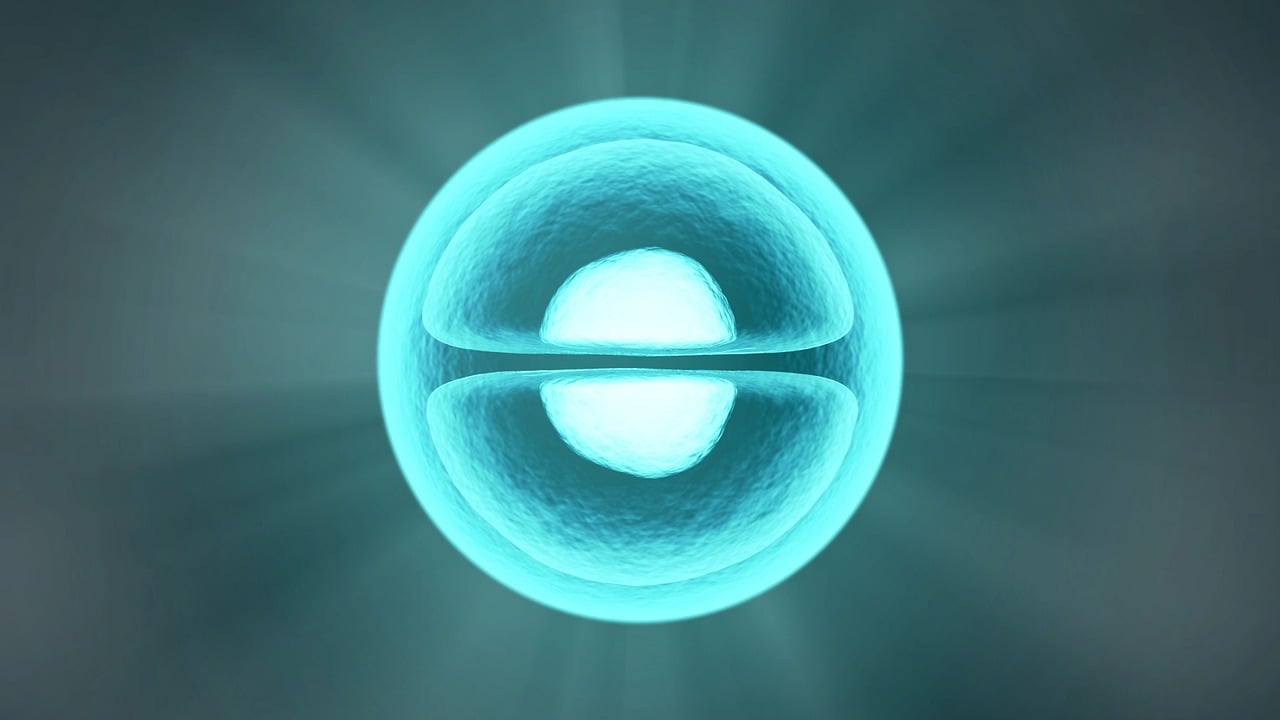
Cell Therapy is an innovative technique that uses stem cells to repair and/or replace damaged or diseased cells. It is one of the newest treatments in reparative medicine and promises to benefit patients with a wide range of diseases, including some types of cancer, autoimmune diseases, degenerative diseases and genetic disorders.
What Is Cell Therapy?
Cell Therapy is a form of reparative medicine that focuses on using stem cells to repair or replace damaged or diseased cells. First, stem cells are extracted from an individual or from an external source, such as a donor. These stem cells are then treated with drugs or other chemical substances to stimulate their ability to become other cells of the body, such as blood cells, epithelial cells and so on. Finally, these cells are transferred to the patient, where they can help fight the disease.
How Does Cell Therapy Work?
The stem cells used in Cell Therapy are generally obtained from an individual or from an external source, such as a donor; they can also be grown in the laboratory. Once the stem cells have been obtained, they are treated with drugs or other chemical substances to stimulate their ability to turn into other cells of the body. The treated cells are then transferred to the patient, where they can help fight the disease.
Stem cells can also be used to create specialized tissues, such as blood cells, neurons and more. They can also be used to induce remission of certain diseases, such as cancer, multiple sclerosis and autoimmune diseases.
Cell Therapy promises to offer new and effective treatment options for a wide range of diseases, including some types of cancer, autoimmune diseases, degenerative diseases and genetic disorders. Although it is still at an early stage of development, Cell Therapy offers some promising prospects of recovery for patients and greater awareness of the available health treatment options.


