

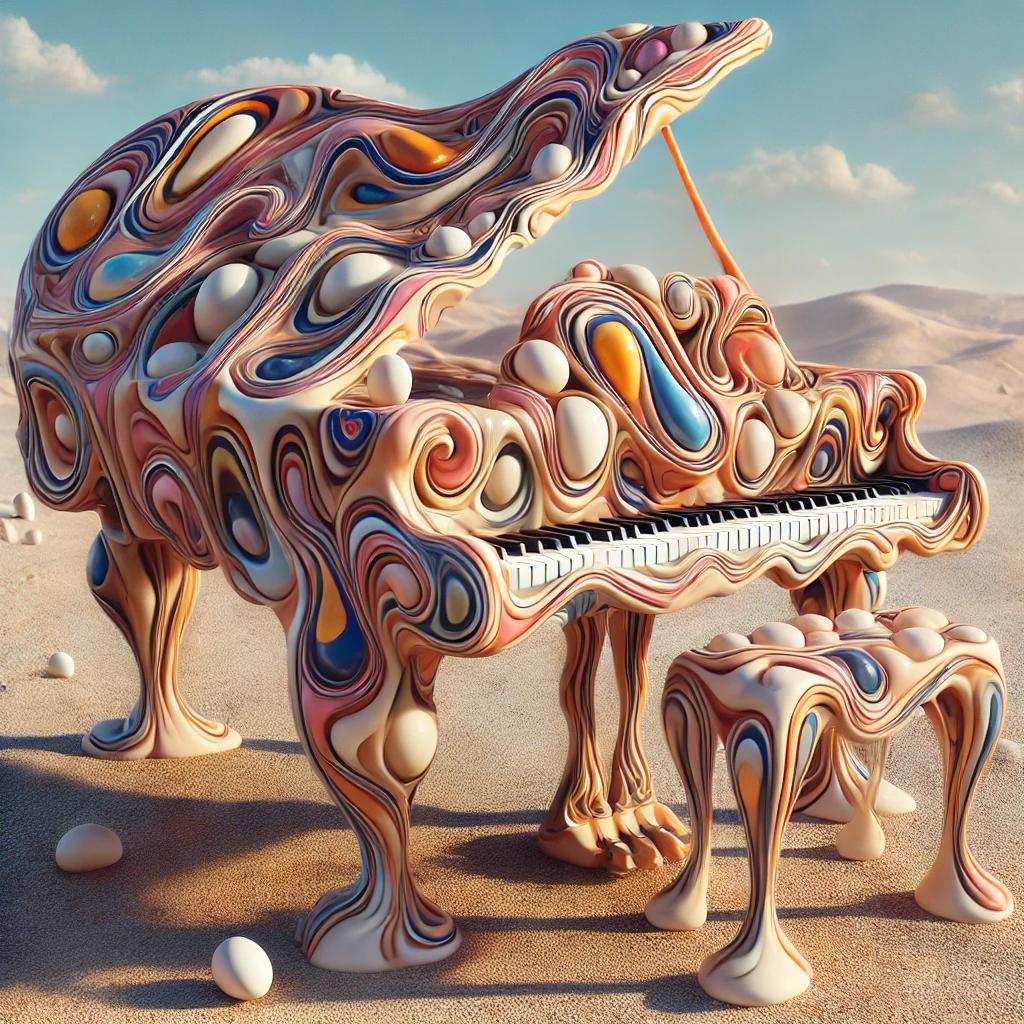
Art and creativity are living through an exciting era thanks to artificial intelligence. AI images are not just a passing trend, but a new way of conceiving the world of digital images. If you are passionate about wall art, posters and unique works, it is essential to understand how these technologies are changing the rules of the game.
Imagine being able to combine styles and colors in a precise and innovative way, bringing to life creations that perfectly reflect your personal taste. Today, artists and creatives can harness the power of AI to explore new possibilities, breaking down the barriers between imagination and reality. Personalization and innovation are within everyone’s reach, opening the way for anyone to express their creativity in ways never seen before.
In this article, we will explore the new frontiers of digital images generated by artificial intelligence, analyzing how these technologies can enrich your work or your passion for art. Keeping up to date with these developments is essential for anyone who wants to stay relevant in an ever-changing world. Are you ready to discover the potential of AI in your field?
The Role of Artificial Intelligence in Digital Images
How AI Is Changing the Visual World
Technological Innovation
Artificial intelligence is redefining digital images with an innovation that seems almost magical. Like a painter using an invisible brush, AI mixes colors and shapes, creating works that challenge human perception. This is not just technological progress, but a true paradigm shift. AI makes it possible to explore new painting and photographic techniques that were once unthinkable, such as the automatic generation of images from text descriptions. For example, tools such as DALL-E and Midjourney have shown how AI can turn simple sentences into complex and detailed works of art. In addition, AI is able to learn and replicate artistic styles from different historical periods, giving new life to traditional techniques through a modern approach.
Practical Applications
The practical applications of AI images are vast. From personalized posters for your home to unique works of art for galleries, the possibilities are endless. A tangible example is the use of AI to create custom wall art, adapting every detail to personal preferences. Imagine being able to choose a specific color palette or a particular theme and watching AI turn those preferences into a tangible work of art. This not only democratizes access to personalized art, but also allows anyone, regardless of their artistic abilities, to become a creator. In addition, companies are harnessing AI to develop visually appealing advertising campaigns, while fashion designers use these technologies to create innovative patterns and fabrics. In education, AI is used to develop visual content that makes learning more interactive and engaging.
Impact on Creativity
AI does not replace the artist, but becomes a travel companion, an ally in the discovery of new forms of expression. Like a trusted friend, AI broadens creative horizons, allowing artists to explore uncharted territory. Artificial intelligence offers tools that amplify human abilities, providing creative suggestions that can lead to unexpected and surprising results. Some artists have described AI as a kind of “technological muse”, capable of sparking ideas they would otherwise never have considered. However, there are also debates about how much AI can affect the authenticity of art. Some critics wonder whether works created with the help of AI can be considered “real” works of art or whether they are simply products of algorithms. This raises interesting questions about the very definition of creativity and the role of the artist in the creative process.
AI and Art: A New Paradigm
Collaboration Between Artists and AI
Collaboration between artists and artificial intelligence is leading to the creation of works that blend the human and the digital in perfect harmony. Think of a composer creating a symphony with a virtual orchestra, where every note is perfectly tuned thanks to AI. This collaboration is not limited to music, but extends to all forms of visual and performing art. For example, visual artists can use AI to generate new textures and patterns, while film directors can use AI to create special effects that push the limits of reality. In addition, AI makes it possible to analyze large amounts of visual data to identify trends and inspirations, making it easier to create works that resonate with contemporary audiences. This synergy between human and machine is redefining the boundaries of art and opening new avenues for creative expression.
Creating Unique Works
Every work of art created with AI is unique, like a snowflake that never repeats itself. This opens new avenues for personalization, allowing everyone to own a piece of art that reflects their soul. AI can analyze an individual’s aesthetic preferences and generate works that resonate with their personal tastes, creating an emotional bond between the viewer and the work. In addition, this uniqueness is particularly attractive to art collectors, who look for exclusive, one-of-a-kind pieces. However, the creation of unique works also raises legal and ethical questions regarding intellectual property. Who holds the rights to a work created by AI? The artist, the programmer or the algorithm itself? These questions are at the center of an ongoing debate that could redefine intellectual property law in the context of digital art.
Image Personalization: An Opportunity for Everyone
Adapting to Personal Tastes
Accessible Creation Tools
Thanks to AI-powered digital tools, creating personalized images has become accessible to everyone. You no longer need to be an expert to bring your artistic vision to life; all it takes is an idea, and the technology will do the rest. Imagine being able to use intuitive software that guides you step by step through the creative process, giving you suggestions based on your stylistic and color preferences. AI tools can analyze global artistic trends and suggest combinations of colors and shapes that might not be immediately obvious to the human eye. In addition, many platforms offer tutorials and online support, making the learning process a pleasant and enriching experience. This means that even those with little or no artistic experience can explore and develop their creative talent, turning abstract ideas into tangible works.
Custom Projects
Custom projects are no longer a luxury reserved for the few. With AI, anyone can turn their home into a personalized art gallery, with wall art and posters that perfectly reflect their tastes and passions. Imagine being able to upload a photo of your living room to an AI design platform, which then generates tailored suggestions for decorating the walls, taking into account the lighting, the colors of the furniture and the architectural style. This level of personalization not only enriches the look of the home, but also creates a space that tells a personal story, making the environment more welcoming and meaningful. In addition, the ability to easily modify projects makes it possible to update and reinvent home spaces dynamically, in step with the evolution of your own tastes and of design trends.
Personalized Wall Art and Posters
Different Styles and Themes
The variety of styles and themes offered by AI images is like an ever-changing kaleidoscope. Whether you prefer the abstract or the figurative, AI can help you find the perfect work for your space. Consider the possibility of accessing an endless library of styles, from timeless classics to the modern avant-garde, all just a click away. AI can also create works that blend various styles, producing unique results that challenge traditional artistic conventions. In addition, thanks to AI’s ability to learn from users’ preferences, the suggested works become increasingly attuned to individual tastes, offering a personalized experience of artistic discovery. This not only broadens creative horizons, but also makes it possible to explore new forms of art that might otherwise go unnoticed.
The Future of Home Decor
The future of home decor is bright and full of possibilities. With AI images, the walls of our homes can tell unique stories, becoming windows onto the world of creativity. Imagine a future in which the images on the walls change dynamically, adapting to your mood or to the seasons, thanks to integrated AI-powered digital screens. This could revolutionize the concept of decoration, turning homes into interactive spaces that evolve with the people who live in them. In addition, AI technology could integrate with other smart home systems, creating a harmonious ecosystem where art is not only decorative but also functional. For example, a digital work of art could react to the music you are listening to, creating a multisensory experience that enriches everyday life. This innovative approach to decoration not only improves the look of spaces, but also promotes a sense of well-being and personal connection with your surroundings.
The New Frontiers of AI Images
Beyond the Limits of Creativity
Integration with Other Media
AI images do not stop at the digital canvas. Integration with other media, such as augmented and virtual reality, opens new dimensions for the artistic experience, creating a universe in which art comes to life. Imagine being able to put on a virtual reality headset and walk through an art gallery where the works are not only seen but experienced. This multisensory interaction can transform the way we perceive art, making it more immersive and engaging. In addition, AI can be used to create interactive installations that respond to the viewer’s movements or emotions, offering a personalized and unique experience. These innovations not only expand creative possibilities, but also make art accessible to a wider audience, breaking down physical and cultural barriers.
Future Prospects
The future prospects for AI images are fascinating. With the continuing evolution of technology, we can expect new forms of expression that challenge our current understanding of art and creativity. For example, AI could be used to create works of art that evolve over time, changing in response to real-time data such as the weather, news headlines or viewers’ emotions. This dynamism introduces a temporal dimension into visual art, which has traditionally been static. In addition, as AI algorithms improve, generated images could become increasingly indistinguishable from those created by humans, raising questions about the nature of authenticity and artistic value. How will these works be valued? Will they be considered on a par with those created by human masters? These are just some of the questions that the future of AI images invites us to explore.
The AI Image Market
Economic Opportunities
The AI image market offers significant economic opportunities. Artists can reach a global audience, while collectors gain access to a new world of unique and innovative works of art. Thanks to online platforms, an artist who uses AI can sell their creations to customers all over the world, without the geographical limitations of traditional methods. This not only democratizes access to art, but also allows artists to monetize their work in new ways. In addition, AI images can be used in sectors such as advertising, product design and entertainment, creating further income streams. However, there are also challenges to address, such as protecting copyright and defining the value of works of art that can be reproduced digitally.
Emerging Trends
Emerging trends in the AI image sector are a testament to its growing influence. From virtual galleries to online marketplaces, AI is changing the way we interact with art. Virtual galleries, for example, allow visitors to explore art collections from anywhere in the world, eliminating the need to travel physically. This accessibility has the potential to increase interest in art and attract new enthusiasts. In addition, online marketplaces are emerging as key venues for buying and selling AI artworks, offering platforms where artists can exhibit their creations and collectors can discover and buy them. However, the emergence of these trends also raises questions about how the market will be regulated and how the intellectual property of works generated by artificial intelligence will be managed.
Keeping Up with the Latest in AI Images
Reliable Sources of Information
Industry Blogs and Magazines
To keep up with the latest developments in the field of AI images, it is important to follow industry blogs and magazines. These sources offer valuable insights and analysis of emerging trends. For example, magazines such as “AI Art Now” and “Digital Creativity” often publish detailed articles on new technologies, tools and innovative techniques. In addition, many blogs run by industry experts provide practical guides and tutorials that can help you integrate AI into your creative process. Following these publications allows you to keep pace with innovations and discover how other artists are using AI to push the boundaries of their art. You might also find interviews with artists who share their experiences and challenges in using AI, offering a unique perspective on how these technologies influence contemporary artistic practice.
Online Communities and Forums
Online communities and forums are ideal places to share experiences and discover new ideas. Taking part in these discussions can enrich your understanding of AI and its applications in art. Platforms such as Reddit, with subreddits dedicated to AI-generated art, and forums such as ArtStation offer spaces where artists and enthusiasts can discuss the latest news, share their work and receive feedback. These communities provide not only support but also inspiration, as users share their creations and discuss the methods used to make them. In addition, taking part in online discussions can help you solve technical problems and find creative solutions to common challenges. These platforms also often host virtual events and art challenges that can encourage you to experiment with new techniques and ideas.
Events and Conferences
Networking with Professionals
Attending events and conferences is a great way to network with industry professionals. These occasions offer the opportunity to learn from industry leaders and discover the latest innovations. Conferences such as “AI in Art” and “Digital Art Summit” are annual events that bring together experts, artists and technologists to discuss the latest trends and applications of AI in art. During these events, you can attend presentations and workshops covering topics such as the ethics of AI in art, advanced image generation techniques and new distribution platforms for digital art. In addition, networking sessions allow you to connect with other professionals, exchange ideas and potentially collaborate on future projects. These gatherings are also an opportunity to explore new business partnerships and discover how the art market is evolving thanks to AI.
Workshops and Training Courses
Workshops and training courses are valuable tools for anyone who wants to deepen their knowledge of AI and digital images. Investing in your own learning is essential to stay competitive in an ever-changing market. Many art schools and online platforms offer specific courses on how to use AI software for artistic creation. These courses often include practical lessons on tools such as Adobe Sensei or RunwayML, giving students the skills they need to integrate AI into their workflow. In addition, some workshops focus on more theoretical aspects, such as understanding machine learning algorithms and their impact on artistic aesthetics. Taking part in these training programs not only improves your technical skills, but also allows you to explore new creative directions and innovate in your field.
In conclusion, AI images represent a new frontier for creativity and art. By harnessing these technologies, we can explore new ways of expressing our artistic vision and connecting with the world around us. Are you ready to set out on this journey into the future of digital images? Imagine a future in which art is not only a reflection of human creativity, but also an ongoing dialogue between human and machine, an interaction that enriches both worlds and opens up new expressive possibilities. With the constant evolution of AI technologies, the potential for discovery and innovation is practically unlimited, making this an exciting time to be a creator in the digital world.


