In today’s rapidly evolving technological landscape, the emergence of digital twin technology has sparked considerable interest and innovation across various sectors, including healthcare. The healthcare sector, driven by a growing reliance on data-driven solutions, is embracing digital twins as a transformative approach that holds great promise for the future of patient care. By harnessing the power of data analysis and simulation, digital twins are revolutionizing the way we understand, manage and optimize health outcomes.
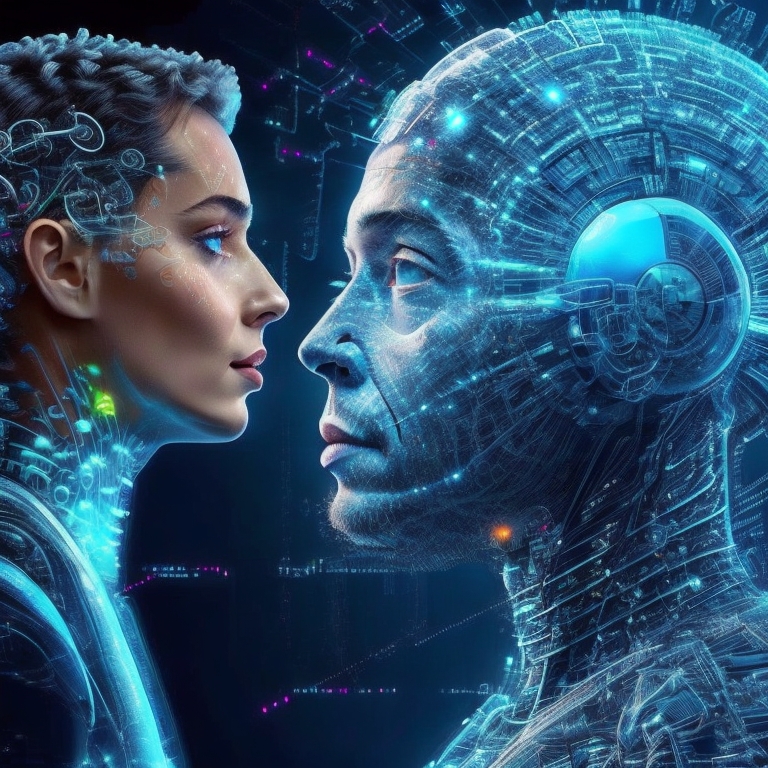
Imagine a scenario in which a complete virtual replica of an individual’s physical person is created, giving healthcare providers unprecedented insight into the patient’s health. This innovative digital technology makes it possible to develop digital twins that encompass a broad spectrum of biological functions, ranging from intricate systems such as the cardiovascular and respiratory systems to individual organs such as the heart or liver. By seamlessly integrating diverse data sets, including medical records, medical images and genetic information, and by leveraging advanced machine learning algorithms, medical professionals can generate highly accurate and dynamic representations of a patient’s state of health.
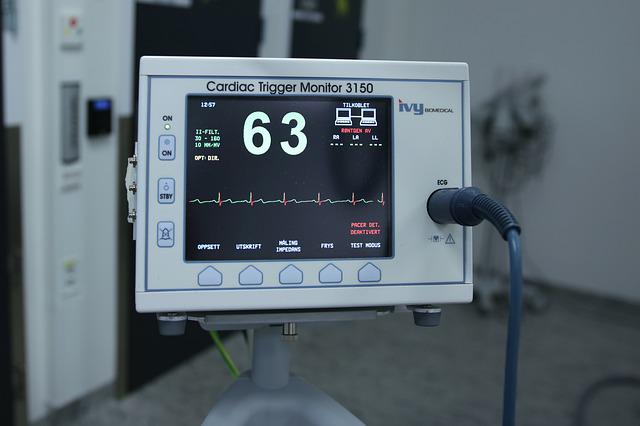
The advantages of digital twin technology in healthcare are many, and its potential for proactive and personalized medicine is truly remarkable. By continuously collecting real-time data and updating digital twins, healthcare providers can closely monitor a patient’s progress, promptly detect deviations from normal health patterns and identify potential complications before they develop into more serious problems. This proactive approach enables timely intervention, facilitating more effective treatments and preventing negative outcomes.
In addition, digital twin technology is a powerful tool for testing new treatments and medical procedures in a safe and controlled environment. Instead of relying solely on traditional trial-and-error methods involving real patients, healthcare providers can use digital twins to simulate the effects of new therapies and interventions. By virtually assessing their impact on the digital twin’s physiology, physicians can optimize treatment protocols, minimize risks and refine approaches before using them on real patients. This not only improves patient safety but also speeds up the pace of medical innovation, accelerating the translation of research findings into clinical practice.

Looking ahead, the potential applications of digital twins in healthcare are vast and fascinating. As technology advances and data sets become increasingly complete, digital twins could encompass not only an individual’s current state of health but also predictive models that anticipate potential future health trajectories. By combining a patient’s genetic information, lifestyle data and environmental factors, healthcare providers can simulate different scenarios and predict susceptibility to disease, enabling targeted preventive strategies and early interventions.
Furthermore, the concept of digital twins promises to revolutionize medical education and training. Students and healthcare professionals can use digital replicas of patients and medical scenarios to practice complex procedures, sharpen their diagnostic skills and explore various treatment options. This immersive learning experience, supported by realistic simulations, offers a safe environment for skill development and ensures that healthcare professionals are well prepared to deliver high-quality care.
It is important to note that the successful implementation of digital twin technology in healthcare relies on the availability of reliable and accurate data from credible sources. The integration of electronic health records, medical imaging databases, wearable devices and other sources must be carefully managed to ensure data privacy, security and ethical considerations.
In conclusion, the emergence of digital twin technology is poised to reshape the healthcare landscape, equipping healthcare providers with unprecedented knowledge and capabilities. By leveraging advanced data analysis, simulation and machine learning, digital twins offer personalized medicine, proactive monitoring, optimized treatments and accelerated medical innovation. As this field continues to evolve, we can envision a future in which digital twins play a fundamental role in improving health outcomes, promoting preventive care and transforming medical training. With responsible implementation and careful consideration of ethical and privacy issues, the digital twin revolution has immense potential to revolutionize healthcare and improve the well-being of individuals around the world.