

How 3D Printing Is Revolutionizing the World as We Know It
3D printing is one of the most revolutionary and disruptive technologies of our time. With its potential to transform virtually every industry, from manufacturing to medicine, this innovation is paving the way for a radically different future. Allow me to explore in detail some of the ways in which 3D printing could truly change the world as we know it.
Tailored Customization and Flexible Production
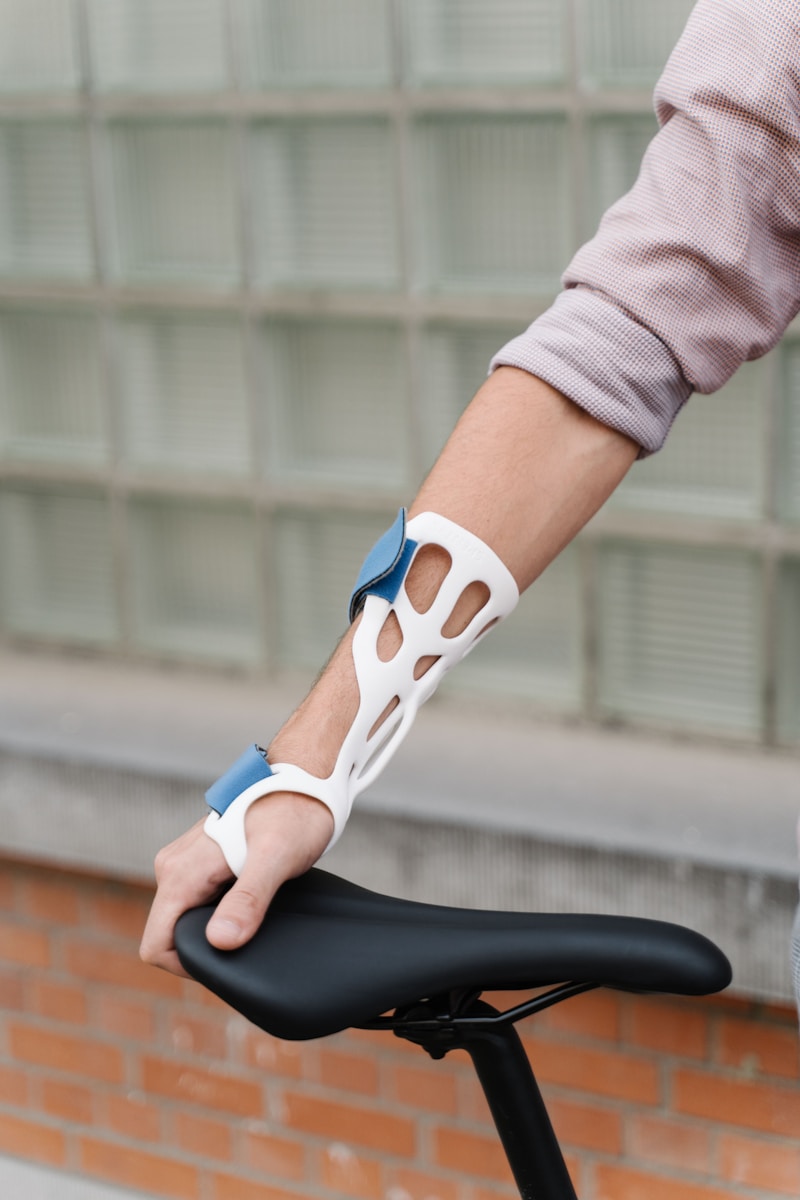
One of the main advantages of 3D printing is its ability to produce customized, on-demand objects. Instead of having to mass-produce standardized items, companies can now create unique, tailor-made products to meet the specific needs of individual customers. This opens the way to a new era of flexible, responsive production, in which consumers will play an increasingly active role in the design and making of the products they need. Take the medical industry, for example. 3D printing already enables the production of customized prostheses, orthoses and implants for patients, dramatically improving the comfort and effectiveness of medical devices. In the future, this technology could even allow the creation of tailor-made artificial organs, revolutionizing the field of transplants.
Revolutionizing the Global Supply Chain
3D printing is also redefining the traditional global supply chain. Instead of shipping components and finished products over long distances, companies will now be able to print what they need locally, drastically reducing transport costs and CO2 emissions. This distributed, just-in-time production model could lead to greater efficiency, flexibility and resilience in supply chains. Imagine an emergency, such as a famine or a natural disaster. Instead of having to wait weeks or months to receive aid and essential supplies, affected communities could print the items they need on site, such as tools, spare parts or even temporary shelters. This local production capability could revolutionize humanitarian response in crisis situations.
Democratizing Production and Widespread Innovation
Another revolutionary aspect of 3D printing is its ability to democratize production. Thanks to the steadily falling costs of 3D printers and materials, this technology is becoming increasingly accessible to small businesses, artisans and even consumers. Anyone, anywhere, will be able to design and make their own customized products, without having to depend on large companies or distribution chains. This means that innovation will no longer be confined to large laboratories or research centers. Instead, we will see a myriad of creative ideas and solutions blossom from individuals and small organizations all over the world. This democratization of production could lead to an explosion of innovation in fields such as art, design and technology.
Accelerating Product Development and Rapid Prototyping
3D printing also allows much faster and cheaper prototyping and product development. Engineers and designers can now iterate quickly on their designs, test new ideas and bring innovations to market at a much faster pace. This speeds up the product development cycle and allows companies to be more responsive to consumers’ ever-changing needs. Think of the automotive industry: instead of having to wait months to make expensive metal prototypes, designers can now 3D-print functional models in a few hours, quickly testing new designs and features. This rapid prototyping capability is revolutionizing innovation in many industries.
Revolutionary Applications in Key Sectors
Finally, 3D printing is paving the way for revolutionary innovations in crucial sectors such as medicine, construction and space exploration. From producing custom prostheses to building 3D-printed houses and structures, from creating spare parts for spacecraft to producing artificial organs, the possibilities offered by this technology are truly boundless. Imagine a space mission to Mars: instead of having to carry bulky spare parts, astronauts could print what they need on site, drastically reducing the weight and cargo space required. Or, in construction, 3D printing could make it possible to build houses and infrastructure quickly, cheaply and sustainably, revolutionizing the way we design and build our environments.
Conclusion: A Radically Different Future
In conclusion, 3D printing has the potential to radically transform the way we design, produce and consume products. From more efficient supply chains to tailored customization, from accessible production to faster innovation, this technology will revolutionize the world as we know it. We are only at the beginning of this extraordinary evolution, and I can’t wait to see what the future holds. 3D printing is paving the way to a world in which production will be more flexible, sustainable and democratic, offering unprecedented opportunities for innovation and for solving global problems. Get ready for a truly amazing future!